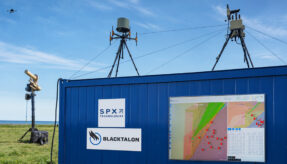



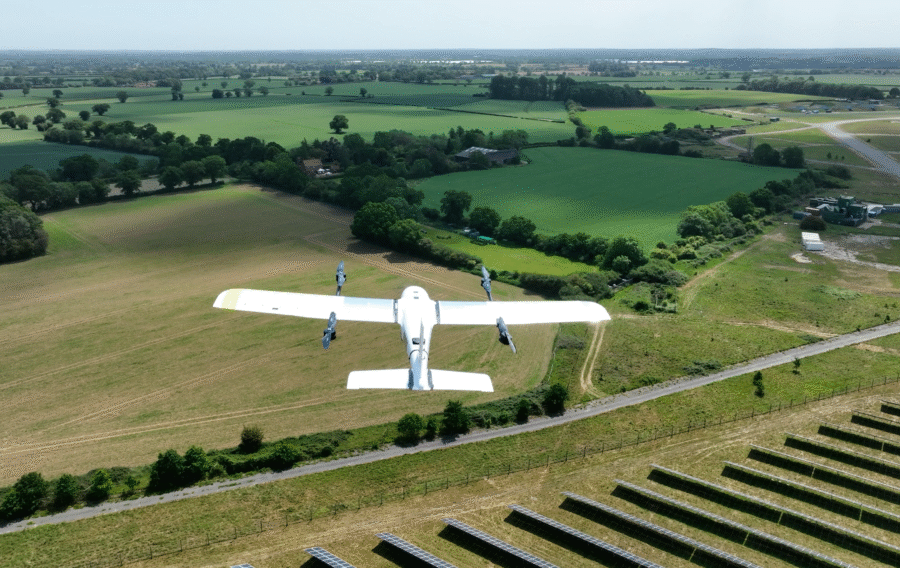
BAE Systems has completed integration and deployment testing of its Anti-Threat System, known as BATS, marking a significant milestone in the rapid development of one of the UK’s most advanced counter-drone capabilities.
Developed by BAE Systems’ Digital Intelligence business, BATS is a scalable, software-defined system designed to detect, track, identify and defeat hostile uncrewed aerial systems, providing layered protection for military forces, critical infrastructure, and high-value assets across a range of operational environments.
From Concept to Field Testing in Eight Months
The pace of BATS development has been notable even by defence innovation standards. From initial concept to field-based integration and deployment testing, the programme has been completed in just eight months, reflecting both the urgency of the counter-drone challenge and the agility of the team behind it.
Louise Heywood, Head of Strategy at BAE Systems’ Digital Intelligence business, said: “The test demonstrated exactly what BATS is designed to achieve: rapid deployment, seamless integration and the capability for fast, effective response. Moving from concept to field-based testing in just eight months is a testament to our expertise and the agility of everyone involved. This milestone puts us in a strong position as we continue to develop the system at pace and advance to live-fire trials in August.”
Testing and Collaboration
The integration and deployment testing was conducted in partnership with MSI-Defence Systems at a secure testing facility in Norfolk. The exercise successfully integrated MSI’s firing technology to track threats, validating BATS’ modular approach to countering uncrewed systems.
Testing confirmed the system’s ability to capture and analyse data rapidly, enabling quick and accurate responses to drone threats. Crucially, the team also demonstrated the ability to rapidly deploy, dismantle, and re-establish BATS in a new location, proving the system can keep pace with the fluid demands of modern battlefield operations.
Hadyn White, Senior Military Advisor at MSI Defence Systems, said: “The demonstration successfully showed strong collaboration and illustrated how we can defeat a variety of drone threats by integrating agile technology and expertise from across the defence ecosystem. We now have a clear way forward to provide an effective defence against drone technologies which is crucial for modern warfare.”
What Comes Next
Following the success of integration and deployment testing, the programme moves into live trials later this summer. For the first time, these trials will incorporate both kinetic and non-kinetic countermeasures, marking a critical step in demonstrating the full breadth of BATS’ capability against uncrewed threats.
Why This Matters
The rapid proliferation of uncrewed systems on the modern battlefield, demonstrated most visibly in Ukraine, has made counter-drone capability one of the most pressing challenges in contemporary defence. The ability to develop, test, and field effective responses at speed is now as strategically important as the capability itself.
BATS represents a strong example of the kind of accelerated, collaborative development the UK defence sector is increasingly being asked to deliver. For the wider supply chain, it also highlights the value of partnerships between prime contractors and specialist SMEs in bringing complex, integrated systems to readiness quickly.
Image: BAE Systems
Join our new expanding community at DPRTE.co.uk – our new Defence Community Platform, creating a single, year-round digital hub for the UK’s defence procurement and supply chain sector.

Post written by: Vicky Maggiani
Vicky has worked in media for over 25 years and has a wealth of experience in editing and creating copy for a variety of sectors.
RELATED ARTICLES
August 7, 2026
Air - Thales Secures NSPA Contract for Deployable Air Navigation System in Demonstration of NATO Procurement Route
Thales has been selected by the NATO Support and Procurement Agency to supply a Deployable Tactical Air Navigation system to
August 7, 2026
Air - Royal Navy's Dragon Rider Trials Prove Drone Armada Concept Over 200 Miles of Southern England
A week-long exercise integrating multiple uncrewed systems with Wildcat helicopters, Royal Marines and ship commanders has demonstrated that long-range drone