



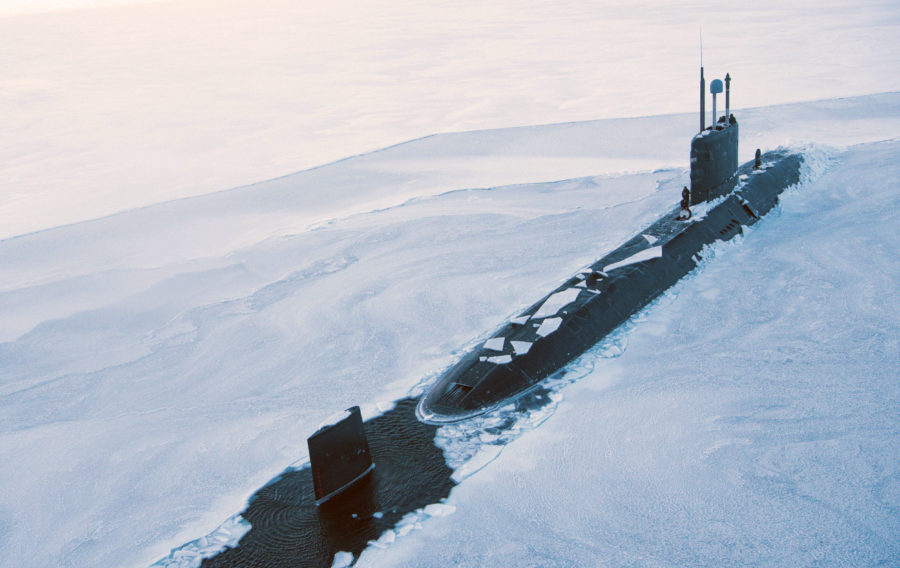
The Ministry of Defence (MoD) has confirmed a significant escalation of the United Kingdom’s military commitment to the Arctic and High North, responding to heightened regional security concerns.
Defence Secretary John Healey announced that the number of British personnel deployed to Norway will double over the next three years, rising from 1,000 to 2,000 troops. This expansion aligns with the government’s pledge to increase defence spending to 2.6% of GDP by 2027, signalling a long-term investment in northern flank security and providing a clear demand signal for the UK defence supply chain.
The operational tempo in the region is set to increase through a series of major exercises and missions that present diverse requirements for sub-contractors and service providers. In September 2026, the UK-led Joint Expeditionary Force (JEF) will initiate Exercise Lion Protector. This large-scale manoeuvre will involve air, land, and naval assets across Iceland, Norway, and the Danish Straits, focusing on the protection of critical national infrastructure and the refinement of joint command and control systems. Additionally, the deployment of 1,500 Royal Marine Commandos for NATO’s Exercise Cold Response in March 2026 underscores the ongoing need for specialized cold-weather equipment, logistics, and sustainment services tailored for extreme environments.
Strategic industrial opportunities are also emerging from the Lunna House Agreement, a bilateral accord between the UK and Norway signed in late 2025. This agreement mandates the joint operation of Type 26 submarine-hunting frigates and the expansion of joint training initiatives. For the maritime supply chain, this necessitates a focus on anti-submarine warfare (ASW) technology, sensor integration, and fleet maintenance. Furthermore, the provision for pre-positioning British military equipment in Norway suggests future contracts related to infrastructure, storage, and the long-term readiness of hardware stationed abroad.
The UK’s role in the upcoming NATO Arctic Sentry mission further cements the High North as a primary theatre for British defence policy. As the Strategic Defence Review emphasises the necessity of improving NATO’s deterrence posture in Northern Europe, the MoD is expected to accelerate the procurement of technologies that enhance situational awareness and operational resilience in the Arctic Circle. For businesses seeking to engage with the MoD, these developments offer a stable framework for investment in capabilities that support high-intensity operations and multinational interoperability in one of the world’s most challenging strategic environments.
If you would like to join our community and read more articles like this then please click here

Post written by: Vicky Maggiani
Vicky has worked in media for over 25 years and has a wealth of experience in editing and creating copy for a variety of sectors.
RELATED ARTICLES

September 10, 2026
Homeland - Why 'Structured Collaboration' is Becoming a Defence Necessity
This week, Stuart John, from the Future Defence Support Services (FDSS) Bid Team at Leidos, examines new research with the

September 7, 2026
Homeland - Government commits £71m to Hemerdon tungsten and tin mine near Plymouth
The National Wealth Fund has committed up to £71 million to Tungsten West to restart the Hemerdon tungsten and tin