



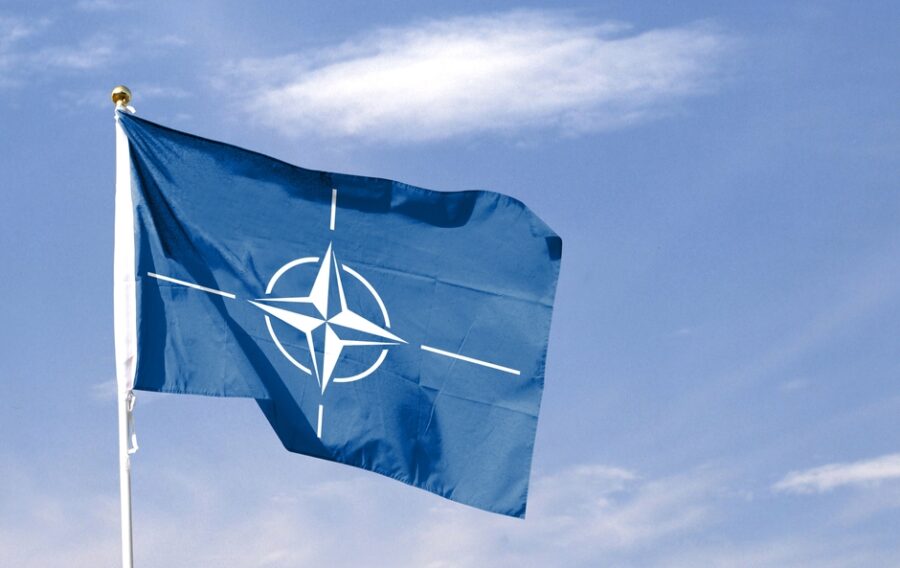
NATO Deputy Secretary General Radmila Shekerinska concluded a high-level two-day visit to Portugal on 8 January 2026, reinforcing the Alliance’s strategic focus on industrial capacity, technological innovation, and significantly increased national defence budgets.
The visit, which took place between 7 and 8 January, served as a platform to reiterate the urgent requirement for Allies to accelerate defence production and prioritise investment to counter evolving threats. For businesses within the UK defence supply chain, these developments signal a sustained demand for increased manufacturing output and the rapid deployment of new capabilities across the Alliance.
A primary focus of the visit was the commitment to the 5% GDP defence spending target established at the recent NATO Summit in The Hague. Portugal’s intent to reach this benchmark reflects a broader trend among member states to provide the long-term financial certainty required by prime contractors and sub-contractors to scale operations. Shekerinska emphasised that current security challenges necessitate decisive action, particularly regarding the acceleration of production lines to support both national requirements and ongoing support for Ukraine. This push for industrial readiness suggests significant opportunities for firms specialising in munitions, heavy equipment, and the logistics of rapid deployment.
In Porto, the Deputy Secretary General participated in the Diplomatic Seminar on New Security and Defence Paradigms, alongside Portuguese Minister of National Defence Nuno Melo and European Commissioner for Defence and Space Andrius Kubilius. The discussions underscored the growing synergy between NATO and the European Union, specifically in the realms of innovation and production. This collaborative approach is intended to streamline procurement processes and foster a more integrated European defence industrial base. For UK-based suppliers, the emphasis on NATO-EU cooperation highlights the importance of maintaining cross-border interoperability and participating in multinational development programmes.
The itinerary also included technical inspections of several key facilities, including STRIKFORNATO, the NATO Communications and Information Academy, and the NATO Joint Analysis and Lessons Learned Centre (JALLC). The focus on these institutions points toward a continued Alliance-wide prioritisation of secure communications, data analysis, and maritime strike capabilities. As NATO looks toward its strategic challenges for the remainder of 2026, the emphasis remains on unity of effort and the leveraging of collective industrial strengths. Businesses capable of providing advanced IT solutions, cyber security, and data-driven analytical tools are likely to find increasing relevance within this reinforced Alliance framework. The visit concluded with high-level meetings involving the President of the Assembly of the Republic and the President of the NATO Parliamentary Assembly, further solidifying the political mandate for expanded defence industrial growth.
If you would like to join our community and read more articles like this then please click here

Post written by: Vicky Maggiani
Vicky has worked in media for over 25 years and has a wealth of experience in editing and creating copy for a variety of sectors.
RELATED ARTICLES

March 27, 2026
Land - British engineering firm Rowden hosts the British Army to explore frontline Techcraft
British engineering firm Rowden hosted a visit by British Army Sergeant Majors to explore how collaboration between engineers and soldiers helps shape

March 27, 2026
Air - DroneShield Expands C2 Interoperability
DroneShield, a global leader in counter-unmanned systems (C-UxS) solutions, today announced interoperability between DroneSentry-C2 command-and-control software, and optical sensing technologies from OpenWorks Engineering. The partnership strengthens DroneShield’s ability to unify multi-domain sensor inputs