


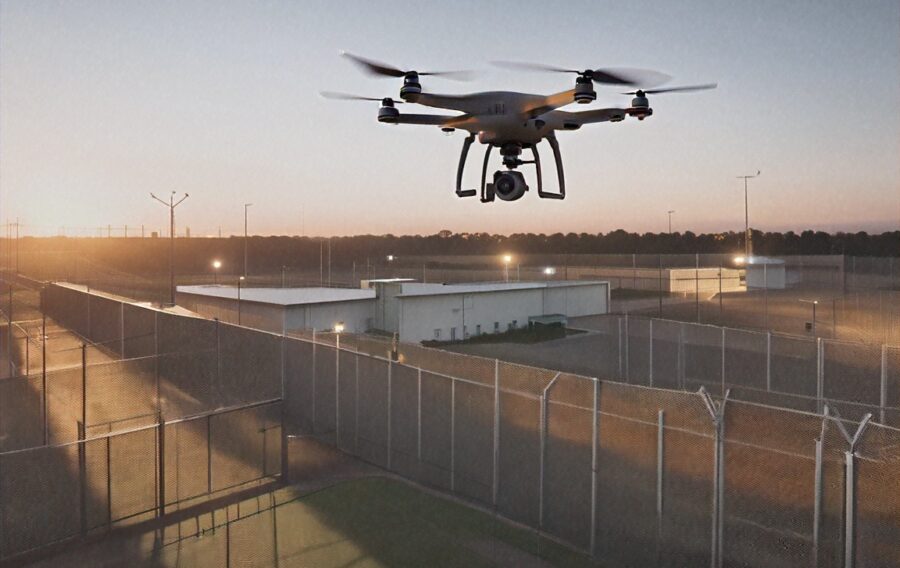
The Ministry of Defence has announced a significant new investment of over £142 million into drone and counter-drone technologies, channelled through the recently established UK Defence Innovation (UKDI) unit. This funding, allocated within UKDI’s first year of operation, is designed to accelerate the development and procurement of advanced uncrewed systems for the UK Armed Forces, creating substantial opportunities for British industry, particularly Small and Medium-sized Enterprises (SMEs).
Launched in July 2025, UKDI serves as the MoD’s central hub for innovation, supported by a ringfenced annual budget of at least £400 million. The unit is tasked with implementing novel contracting methods to enable UK companies to rapidly scale prototypes from development to operational capability.
This initial investment directly reflects the strategic imperatives outlined in the recent Strategic Defence Review, which emphasised adopting lessons from the conflict in Ukraine to maintain a technological advantage. The funding round has engaged a diverse range of suppliers, including 20 British SMEs, 11 Micro-SMEs, and two UK academic institutions, signalling a clear intent to broaden the defence supply base.
A dedicated portion of the investment, approximately £30 million, has been earmarked for counter-drone technologies to enhance the protection of UK airspace and that of its allies. This focus addresses the increasing use of uncrewed systems in hostile activities across Europe.
Several specific programmes will benefit from this funding allocation. The Royal Navy will receive over £25 million for a new uncrewed AI submarine, designated ‘Excalibur’, as part of the wider Atlantic Bastion programme. A further £20 million will support the development of additional laser-based directed energy weapons to complement the DragonFire system, which is being fast-tracked for installation on Type 45 destroyers from 2027 under a separate £300 million contract.
Other funded initiatives include £7.5 million for a full-sized uncrewed helicopter for the Royal Navy’s future ‘hybrid air wing’ concept, £12 million for an air-launched collaborative Uncrewed Air Vehicle (UAV), and a £5 million seed investment into prototypes for Land Autonomous Collaborative Platforms. This strategic capital injection underscores the government’s commitment to positioning the UK defence sector at the forefront of autonomous systems development.
If you would like to join our community and read more articles like this then please click here
Post written by: Christian Doak
RELATED ARTICLES

April 1, 2026
Homeland - £3.9m Solar Project Commences at Bassingbourn Barracks
The Defence Infrastructure Organisation (DIO) has commenced construction on a new £3.9 million solar array at Bassingbourn Barracks, marking a

April 1, 2026
Land - UK and US Defence Agencies Conduct Advanced AI Trials for Battlefield Medical Triage
The Defence Science and Technology Laboratory (Dstl) has entered a strategic collaboration with the US Defense Advanced Research Projects Agency