


The United Kingdom and Norway have formalised a major new defence agreement to enhance security in the North Atlantic and counter increasing Russian undersea activity.
Announced on 4th December 2025, the Lunna House Agreement establishes a framework for the Royal Navy and the Royal Norwegian Navy to operate a combined fleet of anti-submarine warfare frigates and deepen collaboration on advanced maritime capabilities.
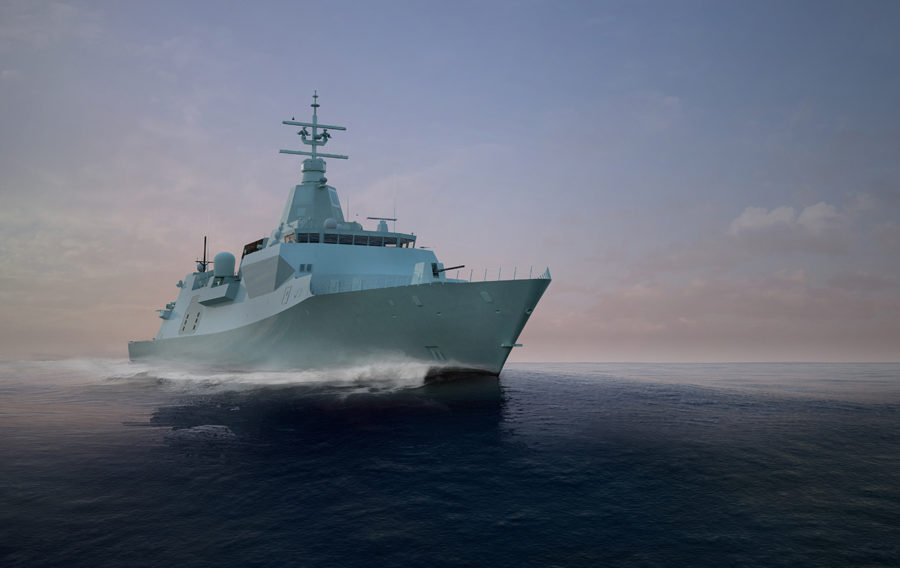
At the core of the agreement is the joint operation of a future fleet of at least thirteen Type 26 frigates, comprising eight vessels from the UK and a minimum of five from Norway. This integrated force will be tasked with patrolling the strategically critical Greenland-Iceland-UK gap, protecting critical national infrastructure such as subsea cables and pipelines from potential threats. The initiative is underpinned by a £10 billion warship deal signed in September 2025, a significant contract for the British shipbuilding industry that supports an estimated 4,000 jobs. The agreement aims to create a truly interchangeable force, with both navies sharing maintenance facilities, technology, and equipment to ensure rapid and flexible deployment.
The pact is a direct response to a reported 30% increase in Russian naval activity near UK waters over the past two years, including the recent monitoring of the Russian intelligence vessel Yantar.
Beyond the joint frigate fleet, the Lunna House Agreement outlines several key areas for deeper industrial and military cooperation, presenting opportunities for the wider defence supply chain. The UK will join Norway’s programme to develop advanced offshore support vessels, which will serve as motherships for uncrewed mine hunting and undersea warfare systems. Furthermore, the Royal Navy is set to adopt the Norwegian Naval Strike Missile, and there will be deeper collaboration on the production of Sting Ray torpedoes to enhance munitions stockpiles. The agreement also solidifies year-round training for the Royal Marines in Norway and joint leadership in the development and adoption of autonomous systems for NATO operations in the High North, signalling a long-term commitment to shared defence priorities and technological development.
If you would like to join our community and read more articles like this then please click here

Post written by: Vicky Maggiani
Vicky has worked in media for over 25 years and has a wealth of experience in editing and creating copy for a variety of sectors.
RELATED ARTICLES

March 31, 2026
Maritime - Boost to British jobs with £283.5m Maintenance Contracts
The Ministry of Defence has announced the award of contracts totalling £283.5 million to provide comprehensive support and maintenance for

March 31, 2026
Homeland - MOD Outlines Strategic Procurement Reform and SME Growth Targets at DPRTE 2026
At the opening of the DPRTE 2026 conference in Farnborough, Minister for Defence Readiness and Industry Luke Pollard MP detailed