



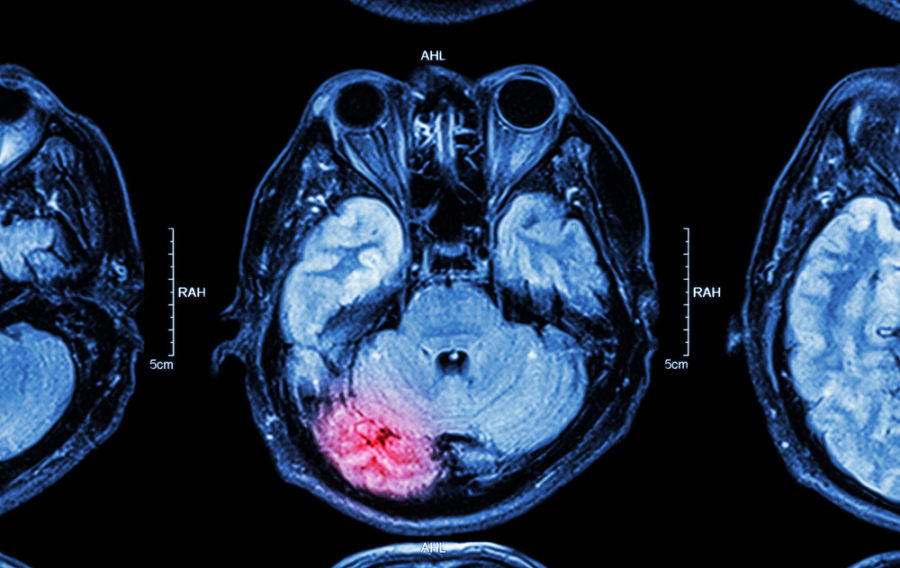
The Ministry of Defence has allocated £3.1 million for the development of the world’s first mobile magnetoencephalography (MEG) brain scanner, a project designed to provide real-time measurement of the neurological effects of blast exposure on military personnel. This investment in quantum technology aims to deliver critical insights that will inform new safety protocols and enhance the protection of service members during training and operations.
The new system will be developed by Cerca Magnetics, a spin-out company from the University of Nottingham. It will be utilised by the Defence Medical Services, part of Cyber & Specialist Operations Command, in a collaborative research programme with scientists from the Universities of Nottingham and Birmingham. A key feature of the scanner is its mobility, which allows for deployment directly to military training ranges, field hospitals, and rehabilitation centres. This capability addresses a significant challenge in military medicine: the subtle and often transient nature of brain function changes following blast exposure, which can dissipate within 24 to 48 hours and are therefore difficult to capture with conventional, static laboratory equipment.
The research programme intends to build an accurate, time-stamped understanding of the brain’s response in the minutes and hours immediately following an exposure event. By collecting this data, the Defence Medical Services expects to establish a scientific basis for creating robust policies on safe working practices. The project will investigate various weapon types and track recovery patterns to identify which personnel face the greatest risk, ultimately leading to the establishment of evidence-based exposure limits.
This initiative represents a significant step forward in applying quantum technology to a pressing defence requirement. The optically pumped magnetometer (OPM-MEG) technology at the core of the scanner has been in development for a decade, with support from the UK National Quantum Technologies Programme. The construction of the mobile system will involve UK-based technology firm Magnetic Shields Limited and US-based atomic device company QuSpin.
The project not only reinforces the UK’s position in defence science and brain imaging but also has potential applications beyond the military sector, including research into sports-related concussion, dementia, and epilepsy. The mobile MEG system is scheduled to be fully operational by 31st March 2026, marking a critical milestone for both UK defence innovation and the protection of its armed forces.
If you would like to join our community and read more articles like this then please click here

Post written by: Vicky Maggiani
Vicky has worked in media for over 25 years and has a wealth of experience in editing and creating copy for a variety of sectors.
RELATED ARTICLES

March 27, 2026
Land - British engineering firm Rowden hosts the British Army to explore frontline Techcraft
British engineering firm Rowden hosted a visit by British Army Sergeant Majors to explore how collaboration between engineers and soldiers helps shape

March 27, 2026
Air - DroneShield Expands C2 Interoperability
DroneShield, a global leader in counter-unmanned systems (C-UxS) solutions, today announced interoperability between DroneSentry-C2 command-and-control software, and optical sensing technologies from OpenWorks Engineering. The partnership strengthens DroneShield’s ability to unify multi-domain sensor inputs