


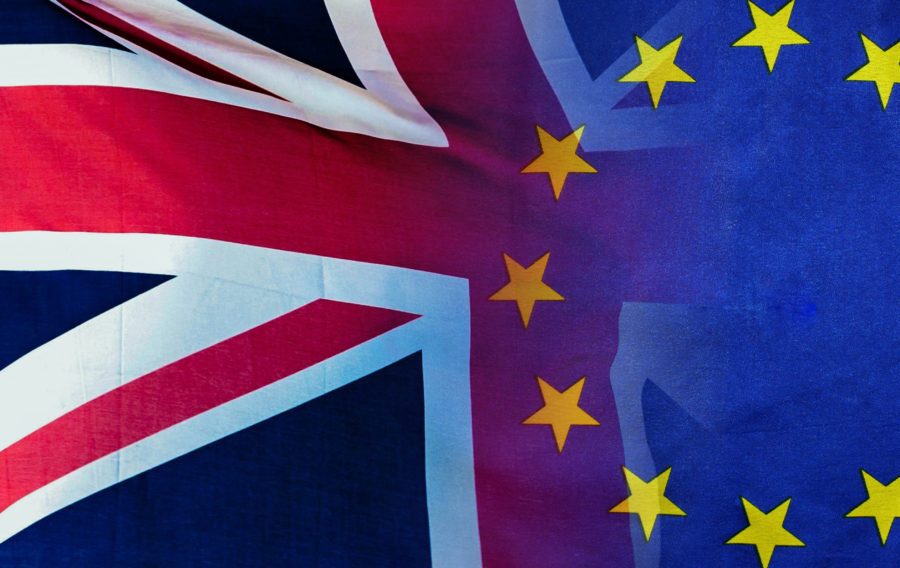
The United Kingdom will not be joining the European Union’s new defence fund, known as Security Action for Europe (SAFE), after negotiations between London and Brussels concluded without an agreement.
The development marks a significant change in the anticipated post-Brexit relationship on defence matters. Despite this, the government has confirmed that UK defence companies will retain the ability to participate in projects financed by the fund, albeit under more restrictive “third country” conditions.
The SAFE initiative, formally adopted by the Council of the European Union on 27 May 2025, is a major financial instrument established to accelerate the continent’s defence readiness. With a lending capacity of up to €150 billion, the programme is designed to provide competitively priced, long-maturity loans to Member States for urgent and large-scale investments in defence capabilities. It forms the first pillar of the European Commission’s wider ‘ReArm Europe Plan/Readiness 2030’, which aims to stimulate over €800 billion in defence spending across the EU. The primary objective of SAFE is to support common procurement projects among Member States, as well as with Ukraine and EEA-EFTA nations, to address critical capability shortfalls and strengthen the European Defence Technological and Industrial Base.
For the UK defence supply chain, the breakdown in talks means that direct participation as a partner nation is no longer an option. Instead, opportunities for British firms will be governed by the fund’s strict procurement regulations for non-members. A key stipulation for all SAFE-funded contracts is a requirement that no more than 35% of the total component costs originate from outside the EU, EEA-EFTA countries, or Ukraine. This specific sourcing threshold will define the scope of opportunity for UK-based prime and sub-contractors seeking to supply to projects under the programme.
While Minister for European Union Relations, Nick Thomas-Symonds, acknowledged the disappointment in not concluding discussions for full participation, he emphasised the remaining avenues for industry. He stated, “the UK defence industry will still be able to participate in projects through SAFE on third country terms.” This directs UK firms to focus on integrating into supply chains led by eligible European contractors, ensuring their contribution remains within the mandated 35% value cap. Businesses will need to strategically position their products and services to align with these clear commercial realities to capitalise on the opportunities presented by the landmark European defence fund.
If you would like to join our community and read more articles like this then please click here

Post written by: Vicky Maggiani
Vicky has worked in media for over 25 years and has a wealth of experience in editing and creating copy for a variety of sectors.
RELATED ARTICLES

April 1, 2026
Homeland - £3.9m Solar Project Commences at Bassingbourn Barracks
The Defence Infrastructure Organisation (DIO) has commenced construction on a new £3.9 million solar array at Bassingbourn Barracks, marking a

April 1, 2026
Land - UK and US Defence Agencies Conduct Advanced AI Trials for Battlefield Medical Triage
The Defence Science and Technology Laboratory (Dstl) has entered a strategic collaboration with the US Defense Advanced Research Projects Agency