


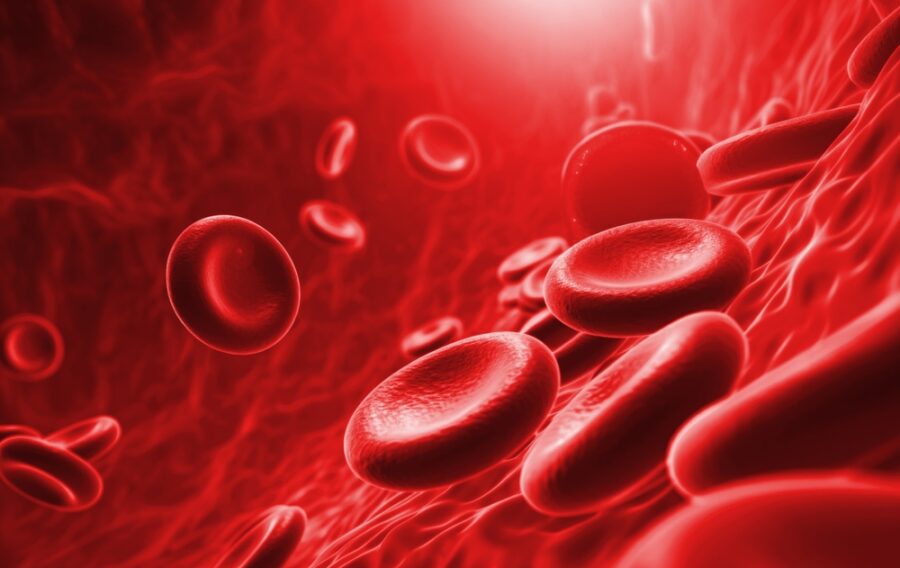
A new £50 million funding opportunity has been announced to establish a research centre dedicated to the development of novel blood products, a strategic initiative designed to enhance emergency and trauma care for both military personnel and the civilian population.
The 14-year programme represents a significant investment in addressing critical challenges within the national blood supply chain and is being delivered as a partnership between the Medical Research Council (MRC), the Ministry of Defence’s Defence Medical Services, and the Defence Science and Technology Laboratory (Dstl).
The programme invites research applications from academia and industry to advance the development of next-generation blood products. The funding is targeted at overcoming key logistical and medical hurdles, with a specific focus on three core areas. Firstly, it seeks to improve traditional blood products by reducing the requirement for cold-chain storage and developing universal products that are not restricted to specific blood groups. Secondly, the initiative aims to accelerate the creation of laboratory-derived blood, including synthetic or cell-line-based alternatives, to lessen the reliance on human donors. Finally, the programme will support research into novel products engineered with characteristics that natural blood cannot achieve, offering new therapeutic possibilities.
This investment is driven by pressing strategic needs. The MoD has identified that the operational challenges of a large-scale conflict scenario would place extreme strain on the current blood supply chain. The logistical difficulties of providing blood products, which have specific storage and handling requirements, are significantly exacerbated in austere operational environments, potentially far from established medical facilities. Dr Paul Hollinshead, Dstl Chief Executive, highlighted that this research is vital for ensuring blood is available when and where it is needed to protect the lives of armed forces personnel.
For businesses and research institutions in the biotechnology, medical technology, and life sciences sectors, this programme presents a long-term opportunity to secure funding and collaborate directly with the MoD. The application process is structured in two stages. Interested parties must submit outline proposals by 4 February 2026. Successful applicants will then be invited to submit a full proposal in autumn 2026, with a final funding decision expected in spring 2027. An informational webinar for all interested parties will be held on 25 November to provide further details on the scope and application requirements.
If you would like to join our community and read more articles like this then please click here

Post written by: Vicky Maggiani
Vicky has worked in media for over 25 years and has a wealth of experience in editing and creating copy for a variety of sectors.
RELATED ARTICLES

April 1, 2026
Homeland - £3.9m Solar Project Commences at Bassingbourn Barracks
The Defence Infrastructure Organisation (DIO) has commenced construction on a new £3.9 million solar array at Bassingbourn Barracks, marking a

April 1, 2026
Land - UK and US Defence Agencies Conduct Advanced AI Trials for Battlefield Medical Triage
The Defence Science and Technology Laboratory (Dstl) has entered a strategic collaboration with the US Defense Advanced Research Projects Agency