



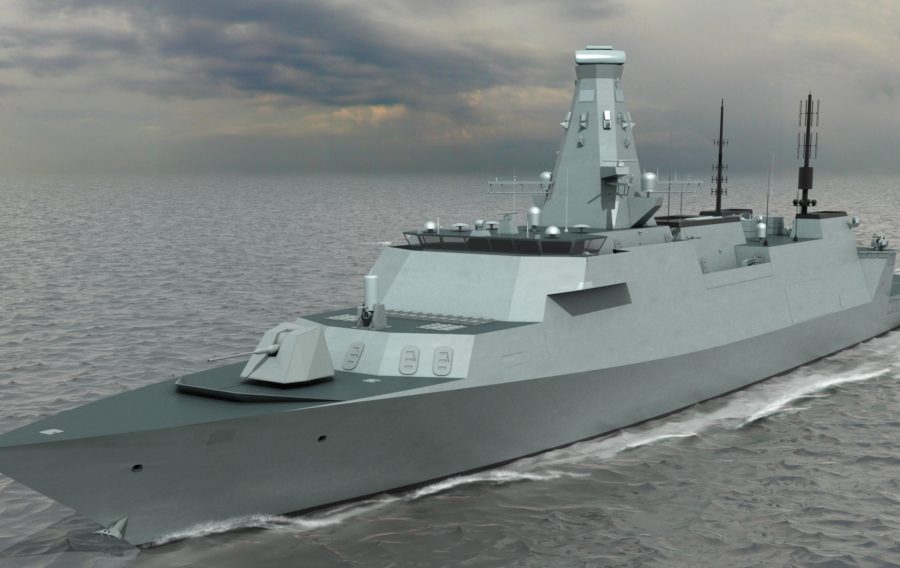
The United Kingdom and Norway have signed a landmark agreement that will see the Royal Norwegian Navy acquire at least five Type 26 frigates from British shipbuilders, in a £10 billion programme that will bolster NATO’s northern defences and deliver significant economic benefit across the UK supply chain.
The deal was formalised in Stavanger by Defence Secretary John Healey and Norwegian Defence Minister Tore O. Sandvik, cementing a strategic partnership between the two nations and reinforcing security in the North Sea, Baltic Sea and High North. The agreement also paves the way for expanded cooperation, including joint operations, training and personnel exchanges, reflecting the UK and Norway’s shared determination to counter Russian activity in the region.
Prime Minister Keir Starmer visited BAE Systems’ Scotstoun yard to meet workers involved in the programme, describing it as the largest warship export order in UK history. The contract is expected to sustain more than 4,000 jobs nationwide, including 2,000 in Scotland, and will provide long-term stability for the shipbuilding sector. In total, the programme will engage 432 companies in the UK supply chain, of which 222 are small and medium-sized enterprises.
The Defence Secretary highlighted the strategic and industrial importance of the agreement, noting that the UK and Norwegian navies will be able to operate as a combined fleet, enhancing NATO’s deterrence posture. He emphasised that the deal represents both a significant step in strengthening collective defence and a substantial vote of confidence in the UK’s shipbuilding capability.
The Type 26 programme is one of the most advanced naval shipbuilding projects currently underway, designed to deliver cutting-edge anti-submarine warfare capability while providing flexibility for a range of future operations. The Norwegian order follows the UK’s own procurement of eight Type 26 vessels and adds momentum to a platform that has already attracted international interest.
For UK industry, the contract underlines the global competitiveness of domestic shipbuilding and the breadth of opportunities available throughout the defence supply chain. From major systems integration to the contribution of specialist SMEs, the programme is set to generate widespread economic value while supporting the government’s ambition to position defence as a driver of national growth.
If you would like to join our community and read more articles like this then please click here

Post written by: Vicky Maggiani
Vicky has worked in media for over 25 years and has a wealth of experience in editing and creating copy for a variety of sectors.
RELATED ARTICLES
March 31, 2026
Maritime - Boost to British jobs with £283.5m Maintenance Contracts
The Ministry of Defence has announced the award of contracts totalling £283.5 million to provide comprehensive support and maintenance for

March 31, 2026
Homeland - MOD Outlines Strategic Procurement Reform and SME Growth Targets at DPRTE 2026
At the opening of the DPRTE 2026 conference in Farnborough, Minister for Defence Readiness and Industry Luke Pollard MP detailed