


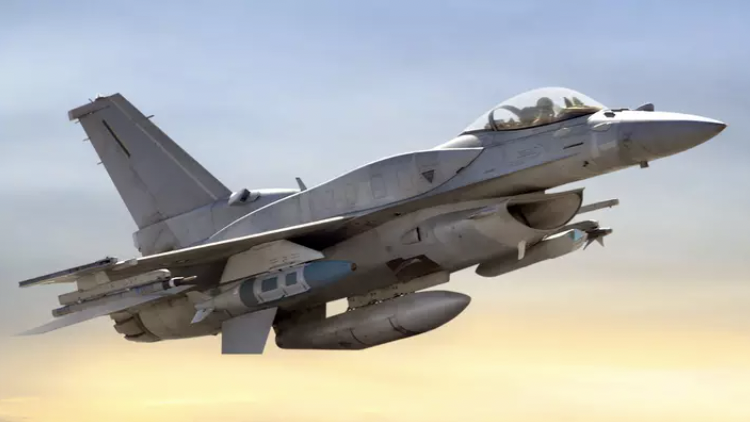
BAE Systems has released the Viper Memory Loader Verifier II (MLV II), a new version of a world-leading maintenance capability that will reduce vulnerability to cyber-attacks for F-16 aircraft.
“Our first generation Viper MLV has 20 years of proven reliability and durability in challenging flight line environments,” said Carl Huncharek, F-16 product line director for BAE Systems. “This new version of the product will include cyber-hardened aircraft mission capabilities, with an open system architecture that reduces lifecycle costs.”
In addition to the flight-critical ability to load and verify software onto the aircraft, the Viper MLV II supports mission data file loads, flight and fault data downloading, and third-party application software.
Viper MLV II supports more than 100 onboard systems for the F-16, including mission and flight critical systems, such as the radar, electronic warfare, mission and flight control computers, crash survivable data recorders, engine control systems, navigation, and communications systems.
Two countries are fielding the Viper MLV II via Foreign Military Sales for the F-16 Block 70/72 aircraft, ordering six systems with potential follow-on for 15 additional systems.
The system is fully compatible with the entire F-16 fleet and will use existing interface cables.
While the Viper MLV II will be positioned for all new F-16 deployments, BAE Systems also continues to support the current equipment.
If you would like to join our community and read more articles like this then please click here.
Post written by: Matt Brown
RELATED ARTICLES
August 7, 2026
Air - Thales Secures NSPA Contract for Deployable Air Navigation System in Demonstration of NATO Procurement Route
Thales has been selected by the NATO Support and Procurement Agency to supply a Deployable Tactical Air Navigation system to
August 7, 2026
Air - Royal Navy's Dragon Rider Trials Prove Drone Armada Concept Over 200 Miles of Southern England
A week-long exercise integrating multiple uncrewed systems with Wildcat helicopters, Royal Marines and ship commanders has demonstrated that long-range drone