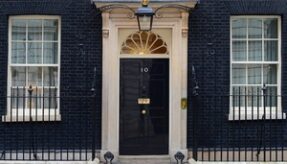



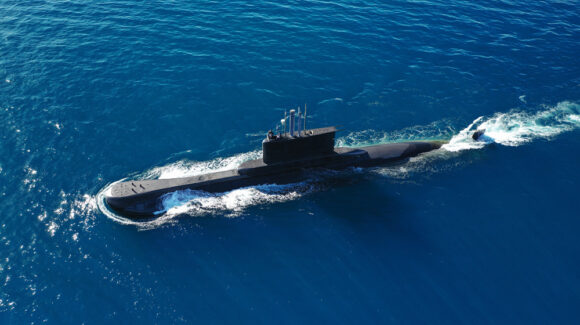
Rolls-Royce Submarines has launched a new satellite office in St Mellons, Cardiff, creating over 100 highly skilled positions as part of the Ministry of Defence’s commitment to strengthening the UK’s nuclear deterrent capability. The facility, inaugurated by First Minister Eluned Morgan and Rt Hon Jo Stevens MP for Cardiff East, will ...
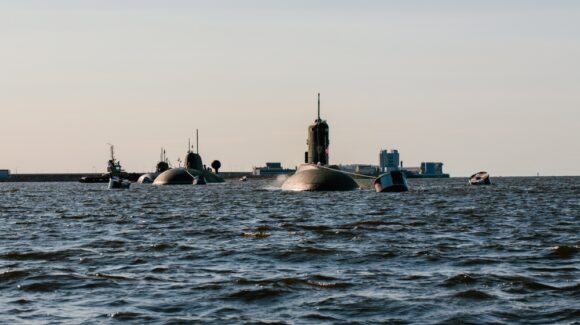
BAE Systems’ Barrow-in-Furness site has marked a major achievement in the UK’s submarine programme as the latest Royal Navy Astute-class submarine, HMS Agamemnon, successfully completed its first submersion. The 7,400-tonne, 97-metre-long nuclear-powered attack submarine underwent a successful ‘trim dive’ – a critical phase of testing to prove the vessel’s stability, buoyancy ...

Serco has secured a direct five-year contract with the Ministry of Defence (MOD) for the provision of maintenance and logistics services pertaining to the EJ200 engines that power the Royal Air Force’s (RAF) Typhoon multi-role aircraft fleet. This agreement, valued at approximately £7.8 million, signals a significant transition in the ...
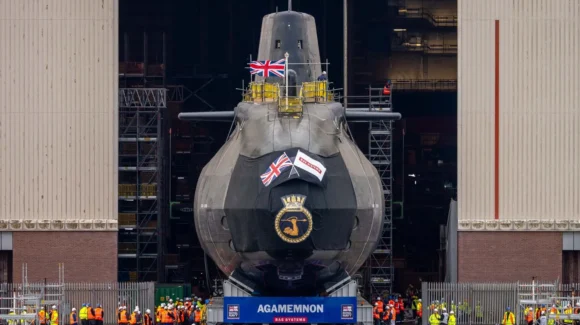
The procurement landscape for the UK submarine industrial base has been underscored by the successful completion of the initial underwater dive for HMS Agamemnon, the sixth vessel in the Astute Class programme. This event, conducted in the dock facilities at BAE Systems in Barrow-in-Furness, represents a crucial progression in the ...
Previous Next
RELATED ARTICLES
August 7, 2026
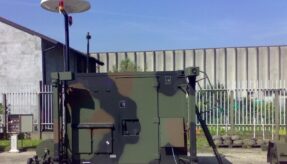
Air - Thales Secures NSPA Contract for Deployable Air Navigation System in Demonstration of NATO Procurement Route
Thales has been selected by the NATO Support and Procurement Agency to supply a Deployable Tactical Air Navigation system to

August 7, 2026
Air - Royal Navy's Dragon Rider Trials Prove Drone Armada Concept Over 200 Miles of Southern England
A week-long exercise integrating multiple uncrewed systems with Wildcat helicopters, Royal Marines and ship commanders has demonstrated that long-range drone