



SPONSORED CONTENT

Writing exclusively for the DPRTE Community, Rachel Gilbey, Managing Director, Aerospace and Defence at GXO UK&I reflects on the panel she took part in at DPRTE Expo, which considered collaboration in action and rethinking defence supply chains. As the UK defence sector responds to increasing complexity and evolving operational demands, it’s ...

Psychological Self-Defence, from Working Voices
July 7, 2026At Working Voices, our 30 years’ experience in designing and building training programmes gives us in-depth understanding of behavioural change. Through our commitment to blended learning, we support trainees through a package of talks, workshops, and group-study. Our objective is to set out clear messaging that is learned and understood by ...

Writing exclusively for Defence Online, Derek Stirling, Operations Director – Defence UK&I at GXO, asks: What lessons can be learnt from defence supply chain best practice? As today’s global security environment becomes more complex, defence procurement to increase sovereign capability is intensifying. At the same time, the UK defence sector is ...

Building Britain’s Defence Unicorns
July 2, 2026The UK Government’s Defence Industrial Strategy supports getting innovative technologies to frontline uses more quickly and expanding access for SMEs and scale-ups. Supporting these contracts will support regional growth, job creation and sustainable communities. The scheme provides fast-tracked contracts to small, high-potential British companies, many of which had little or ...
Previous Next
RELATED ARTICLES

August 7, 2026
Air - Thales Secures NSPA Contract for Deployable Air Navigation System in Demonstration of NATO Procurement Route
Thales has been selected by the NATO Support and Procurement Agency to supply a Deployable Tactical Air Navigation system to
August 7, 2026
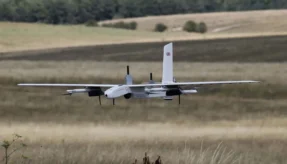
Air - Royal Navy's Dragon Rider Trials Prove Drone Armada Concept Over 200 Miles of Southern England
A week-long exercise integrating multiple uncrewed systems with Wildcat helicopters, Royal Marines and ship commanders has demonstrated that long-range drone