


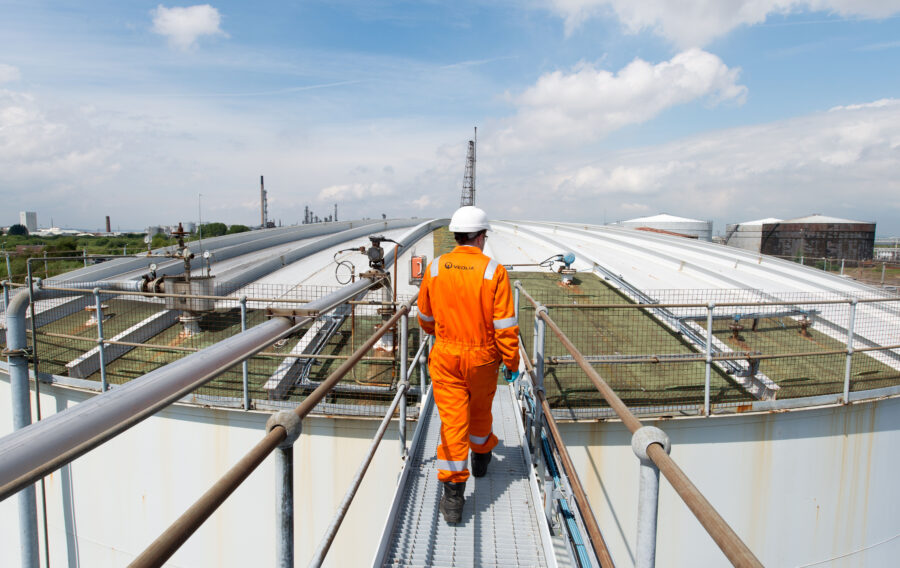
Efficient and sustainable waste management is crucial for operations and construction within the defence sector. The main priority is ensuring the collection, disposal, and treatment of all waste materials are carried out safely, securely, and compliantly.
Additionally, when managing complex projects you need a service that can be flexible and adjust to meet your business requirements. That’s why you need a partner that can provide specialist hazardous waste management and ensure compliance with all regulations, allowing you to focus solely on your business.
What is Hazardous Waste?
Hazardous waste is a waste type that poses immediate or potential risks to human health or the environment. This covers a wide variety of items including acidic and alkaline materials, solvents, liquid waste, batteries, fluorescent tubes, pressurised cylinders, garage waste, oils, adhesives, effluents, and low-level radioactive materials.
Hazardous Waste Collection, Treatment and Disposal
Due to the nature of the waste, hazardous materials must be safely and securely collected, treated and disposed of in accordance with strict regulations. The Environmental Protection Act 1990 and the Hazardous Waste Regulations 2005 aim to ensure the risks are minimised.
Hazardous waste treatment is the process of handling and treating these materials to reduce the risks they pose. Because hazardous waste can have harmful chemical, physical, or biological properties, treatment must be carefully managed to protect human health and the environment.
Specialist Hazardous Waste Management With Veolia
Veolia is the largest operator of hazardous waste collection vehicles and treatment infrastructure in the UK. From bulk tanker to small van collections, Veolia delivers the most suitable, cost effective service to the defence sector, giving you peace of mind that your waste is being handled safely and compliantly from collection to disposal.
Veolia’s hazardous waste facilities adhere to ISO9001, ISO14001, and OHSAS 18001 with a team of experts that can advise and handle the waste correctly.
Veolia’s Hazardous Waste Expertise in Practice: Syrian Chemical Waste Destruction
In 2014, the challenge was posed to safely dispose of Syria’s chemical weapons stockpile. The UK agreed to destroy approximately 15% of the stockpile.
The UK Government partnered with Veolia to use its High Temperature Incinerator at Ellesmere Port to safely destroy the chemical materials. The process was conducted under strict verification procedures to ensure safety and compliance with international standards.
Veolia processed and destroyed 190 tonnes of chemical materials within just three weeks of the chemicals arriving into the UK. This not only fulfilled the UK’s commitment to destroy the chemical materials but also made a significant contribution to the broader international effort.
Defence organisations have a range of complex waste requirements, with hazardous waste being one of them. With strict regulations helping to protect human health and the environment, partnering with a specialist waste provider like Veolia is crucial to ensure safe, compliant and sustainable collection, treatment and disposal.
Contact Veolia’s hazardous waste team to start exploring options for secure disposal.
© Media library VEOLIA ES Limited – Chris George

Post written by: Vicky Maggiani
Vicky has worked in media for over 25 years and has a wealth of experience in editing and creating copy for a variety of sectors.
RELATED ARTICLES
July 23, 2026
Why supply chain resilience is so important for the defence sector
The impact of climate change is becoming more significant, visible and severe, and organisations within defence need to assess whether
July 23, 2026
Safe and secure hazardous waste management for the defence sector
Efficient and sustainable waste management is crucial for operations and construction within the defence sector. The main priority is ensuring