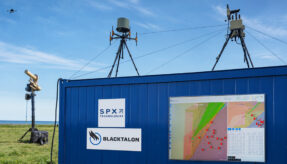




Defence Secretary Dan Jarvis MP has opened Europe’s largest drone testing and development facility in Swindon, establishing the UK’s Uncrewed Systems Centre (USC) at the new DroneTEX site as the focal point for drone innovation, industry collaboration, and rapid capability fielding.
At 545,000sq ft, the facility is the size of more than ten football pitches and is designed to compress development timelines from years to weeks. The strategic urgency is clear: Ukraine is deploying approximately 200,000 drones a month, and at the height of the Iran conflict, 700 drones were being launched per day. Innovation cycles in this domain are now measured in weeks, not procurement cycles.
For the defence supply chain, the commercial opportunity is substantial. The USC will work directly with British companies, with an explicit focus on SMEs, and is intended to support exports and create high-skilled jobs. The facility sits within a significantly scaled investment framework: the Strategic Defence Review committed £2bn to autonomy investment in this parliament, bringing total defence investment in autonomous systems to £4bn. Since July 2024, the MoD has spent over £450m on uncrewed systems, including £300m on R&D, and UK Defence Innovation injected over £142m in the last year alone to scale up production of drones and counter-drone weapons.
UK Defence Innovation (UKDI), which sits at the heart of the USC’s industry engagement model, operates with a ringfenced annual budget of at least £400m and is structured to move innovative prototypes to scale rapidly. Task Force RAID (Rapid AI Delivery), announced by the Prime Minister and Chief of the Defence Staff this week, adds a further AI and autonomy accelerator to the ecosystem.
The DroneTEX facility offers supply chain businesses, particularly those working in uncrewed systems, AI, autonomy, sensors, and counter-drone technologies, a direct route into MoD development programmes at a time when the funding, political will, and operational urgency are all aligned.
Join our new expanding community at DPRTE.co.uk – our new Defence Community Platform, creating a single, year-round digital hub for the UK’s defence procurement and supply chain sector.

Post written by: Vicky Maggiani
Vicky has worked in media for over 25 years and has a wealth of experience in editing and creating copy for a variety of sectors.
RELATED ARTICLES
August 7, 2026
Air - Thales Secures NSPA Contract for Deployable Air Navigation System in Demonstration of NATO Procurement Route
Thales has been selected by the NATO Support and Procurement Agency to supply a Deployable Tactical Air Navigation system to
August 7, 2026
Air - Royal Navy's Dragon Rider Trials Prove Drone Armada Concept Over 200 Miles of Southern England
A week-long exercise integrating multiple uncrewed systems with Wildcat helicopters, Royal Marines and ship commanders has demonstrated that long-range drone