


The Ministry of Defence has formally selected Leonardo UK for a £1 billion contract to deliver the New Medium Helicopter (NMH) programme, a move that solidifies the United Kingdom’s sovereign rotary-wing manufacturing capability.
Under the terms of the agreement, Leonardo will supply 23 AW149 helicopters to the UK Armed Forces. This platform is designed to streamline existing capabilities by replacing several legacy aircraft types with a single, versatile airframe capable of performing diverse missions, ranging from high-intensity combat operations to global humanitarian assistance.
For the UK defence supply chain, this contract represents a major multi-decade commitment to the industrial base. Production will be concentrated at Leonardo’s facility in Yeovil, Somerset, which currently sustains 3,300 jobs and incorporates a domestic supply chain of nearly 70 companies. The deal includes a UK workshare exceeding 40%, ensuring that a significant proportion of the economic value and technical expertise remains within the British workforce. Beyond domestic requirements, the agreement establishes Yeovil as the global hub for Leonardo’s military helicopter exports. With approximately 20 nations currently identifying requirements for medium-lift platforms, the export potential for the UK-built AW149 is estimated at up to £15 billion over the next ten years. This presents a substantial long-term opportunity for sub-contractors and Tier 2 suppliers to scale their operations in alignment with international demand.
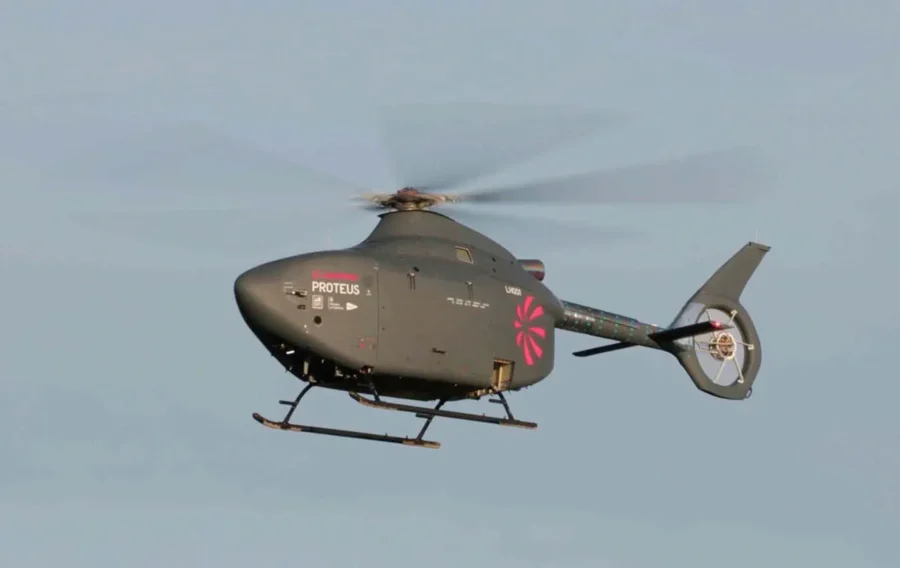
A critical component of this industrial strategy is the concurrent investment in the Proteus programme, the UK’s first autonomous uncrewed rotary-wing system. The government’s decision to designate Yeovil as a centre of excellence for military helicopter autonomy reflects a strategic pivot toward “frontier technologies” as outlined in the Defence Industrial Strategy. The integration of uncrewed and autonomous systems could eventually allow platforms like the NMH to become optionally-crewed, opening specialised procurement avenues for firms involved in artificial intelligence, autonomous sensors, and advanced flight control systems.
The procurement is aligned with the broader objectives of the Strategic Defence Review and the government’s commitment to increase defence spending to 2.6% of GDP by 2027. By utilising defence procurement as a primary engine for economic growth, the Ministry of Defence is fostering a more resilient and innovative industrial landscape. This is particularly evident in the South West, where MoD spending already supports more than 37,000 jobs. Ultimately, this contract ensures that the UK remains a global leader in aerospace innovation while securing the sovereign skills necessary to maintain and develop the next generation of battlefield technology.
If you would like to join our community and read more articles like this then please click here

Post written by: Vicky Maggiani
Vicky has worked in media for over 25 years and has a wealth of experience in editing and creating copy for a variety of sectors.
RELATED ARTICLES
August 7, 2026
Air - Thales Secures NSPA Contract for Deployable Air Navigation System in Demonstration of NATO Procurement Route
Thales has been selected by the NATO Support and Procurement Agency to supply a Deployable Tactical Air Navigation system to
August 7, 2026
Air - Royal Navy's Dragon Rider Trials Prove Drone Armada Concept Over 200 Miles of Southern England
A week-long exercise integrating multiple uncrewed systems with Wildcat helicopters, Royal Marines and ship commanders has demonstrated that long-range drone