



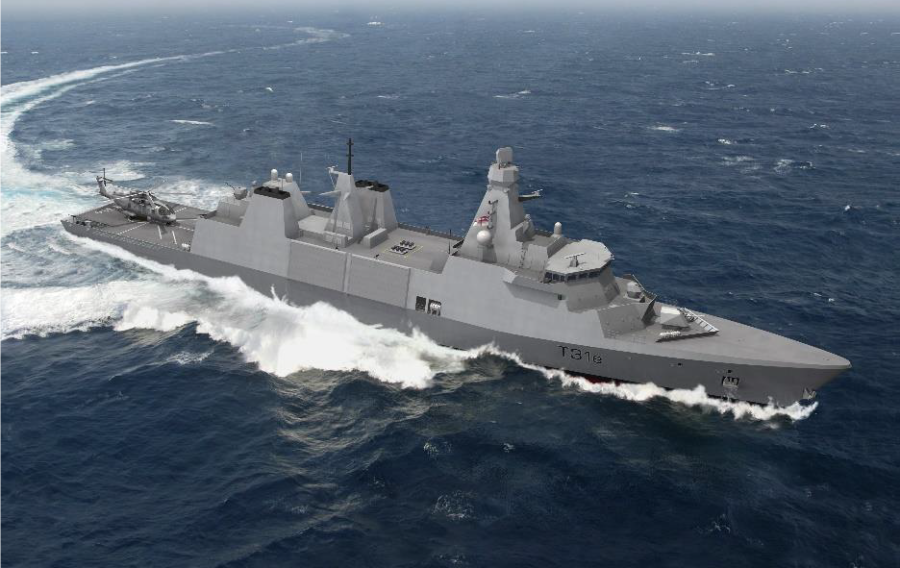
Babcock International Group has reached two critical milestones in the delivery of the Royal Navy’s Type 31 Inspiration Class frigate programme, underscoring the industrial momentum at its Rosyth facility in Scotland.
The dual achieveme, tcomprising the ceremonial steel cut for HMS Bulldog and the rollout of HMS Active, highlights the maturity of the programme’s modular construction methodology and its role as a central pillar of the UK’s National Shipbuilding Strategy. For businesses within the UK defence supply chain, these developments provide evidence of a sustained production drumbeat that offers long-term visibility and engagement opportunities for prime contractors and sub-contractors alike.
The steel cut for HMS Bulldog marks the official start of construction for the fourth of five planned vessels, while the rollout of HMS Active represents the second frigate to emerge from the purpose-built assembly hall ahead of its initial entry into the water. This sequence follows the rollout of the lead ship, HMS Venturer, in mid-2025 and the keel laying of the third ship, HMS Formidable, in late 2025. This consistent delivery schedule is facilitated by a modern manufacturing approach that prioritises increased compartment and system outfitting within manufacturing bays before major blocks are assembled. For suppliers, this shift toward earlier outfitting in the production cycle requires close coordination and provides opportunities for firms capable of delivering integrated, pre-tested sub-systems.
The Type 31 programme currently sustains approximately 2,500 highly skilled roles, predominantly in Fife, and is supported by an extensive network of UK and international suppliers, including a significant number of Small and Medium-sized Enterprises (SMEs). The programme’s reliance on the Arrowhead 140 design further strengthens the UK’s export potential, as evidenced by successful design and build licences already secured in Poland for the Miecznik programme and in Indonesia. This international footprint ensures that the underlying supply chain benefits from a broader market beyond domestic requirements, enhancing the commercial viability of participating sub-contractors.
Government support remains robust, with the UK Minister for Defence Readiness and Industry, Luke Pollard MP, noting that the programme delivers tangible economic benefits to communities across the UK while securing the future of Scottish shipbuilding. The modularity of the Type 31 design ensures that the fleet remains adaptable to future threats, providing a platform for continuous technological upgrades. As the programme advances toward the completion of the five-ship fleet, the focus remains on embedding lessons learned from earlier hulls to further enhance build efficiency, ensuring that the UK’s maritime industrial base remains competitive and capable of meeting both sovereign and allied requirements.
If you would like to join our community and read more articles like this then please click here

Post written by: Vicky Maggiani
Vicky has worked in media for over 25 years and has a wealth of experience in editing and creating copy for a variety of sectors.
RELATED ARTICLES

September 10, 2026
Homeland - Why 'Structured Collaboration' is Becoming a Defence Necessity
This week, Stuart John, from the Future Defence Support Services (FDSS) Bid Team at Leidos, examines new research with the

September 7, 2026
Homeland - Government commits £71m to Hemerdon tungsten and tin mine near Plymouth
The National Wealth Fund has committed up to £71 million to Tungsten West to restart the Hemerdon tungsten and tin