



The Marine Management Organisation (MMO) has finalised several significant licensing decisions that directly impact the UK’s defence infrastructure, maritime testing capabilities, and offshore energy security. These regulatory approvals facilitate essential maintenance at Ministry of Defence (MOD) facilities, enable the mitigation of unexploded ordnance (UXO) risks in the North Sea, and address environmental compensation requirements critical to large-scale coastal projects. These developments provide a clear indication of the ongoing technical and operational requirements within the UK’s maritime and defence supply chains.
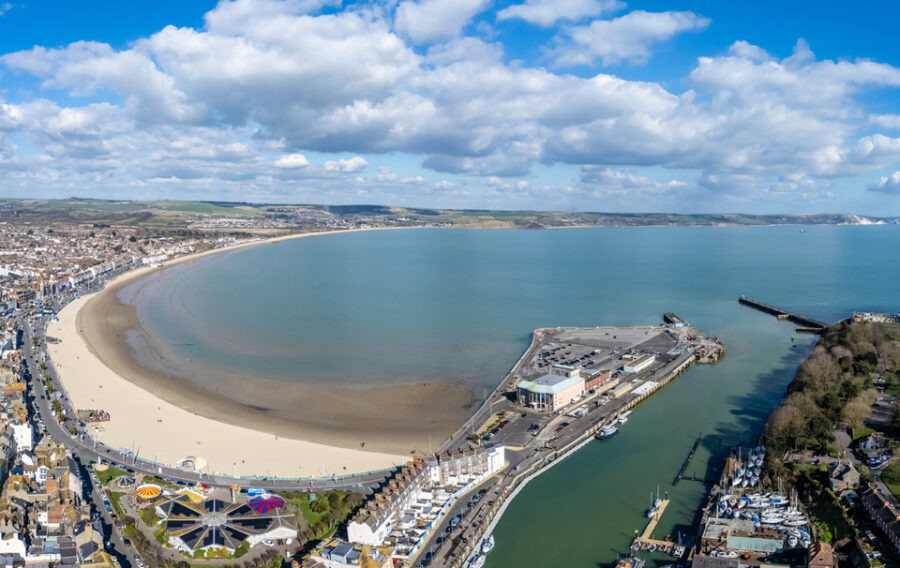
A primary development for the defence sector is the granting of a marine licence to QinetiQ for the continued operation and maintenance of the Weymouth Magnetic Open Sea Range. Located off the Dorset coast, this facility is an essential component of the UK’s maritime testing infrastructure, used to ensure that Royal Navy and Royal Fleet Auxiliary vessels remain operationally fit for service. The new licence authorises the ongoing repair and maintenance of range equipment, ensuring the facility continues to support national naval readiness and maritime safety standards. For businesses specialising in maritime engineering and facility management, this underscores the government’s commitment to maintaining sovereign testing capabilities through long-term infrastructure support.
In the offshore energy sector, which increasingly intersects with defence interests regarding seabed security and UXO clearance, two marine licence applications have been submitted to support the Norfolk Vanguard West offshore wind development. These investigations are critical for identifying and mitigating UXO risks before the installation of subsea cables and turbines. The scope of work involves the investigation of 570 targets, including 310 potential UXO items within the export cable corridor and 200 within the wind farm array. An additional licence focuses on 126 UXO targets located near sensitive ecological reefs. These operations, anticipated to begin in 2025, will utilise Remotely Operated Vehicles (ROVs), visual surveys, and small-scale excavation techniques. This creates a significant demand for sub-contractors specialising in hydrographic surveying, subsea intervention, and explosive ordnance disposal.
Further regulatory activity includes the Thorney Island Habitat Creation Project, led by the Environment Agency, which aims to establish over 20 hectares of intertidal habitat by 2030. This initiative is a legal requirement for habitat compensation related to regional coastal risk management. Additionally, a licence has been granted for the Green Gravel Kelp Restoration Project in the northeast, focusing on coastal resilience through innovative rewilding techniques. For the defence supply chain, these environmental projects highlight the regulatory landscape and the mandatory ecological mitigation measures that frequently accompany major coastal defence and infrastructure projects. Collectively, these actions demonstrate a co-ordinated approach to managing the UK’s maritime estate while supporting national security and infrastructure goals.
If you would like to join our community and read more articles like this then please click here

Post written by: Vicky Maggiani
Vicky has worked in media for over 25 years and has a wealth of experience in editing and creating copy for a variety of sectors.
RELATED ARTICLES

August 7, 2026
Air - Thales Secures NSPA Contract for Deployable Air Navigation System in Demonstration of NATO Procurement Route
Thales has been selected by the NATO Support and Procurement Agency to supply a Deployable Tactical Air Navigation system to

August 7, 2026
Air - Royal Navy's Dragon Rider Trials Prove Drone Armada Concept Over 200 Miles of Southern England
A week-long exercise integrating multiple uncrewed systems with Wildcat helicopters, Royal Marines and ship commanders has demonstrated that long-range drone