


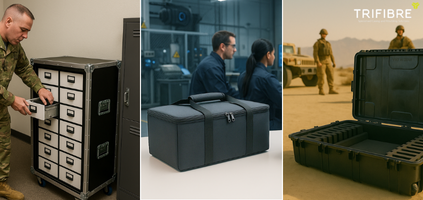
Across defence, conversations about readiness and modernisation usually focus on digital transformation, next generation systems and the fast pace of technological change. Yet, behind every successful deployment sits something far more practical: the way critical equipment is protected, transported, and stored.
Protective systems rarely make headlines, but they have a direct impact on equipment availability, personnel safety and overall operational tempo. As defence organisations face tighter timelines, more complex environments and growing pressure for efficiency, engineered protection has shifted from a logistical afterthought to a strategic requirement.
Advanced systems demand smarter protection
Digital technologies are now shaping nearly every area of defence. Rugged computing, sensors, optics, unmanned platforms and integrated soldier systems are increasingly central to programmes across land, air, maritime, cyber and space. These assets are high-value and sensitive, and they must perform reliably in varied and often hostile environments.
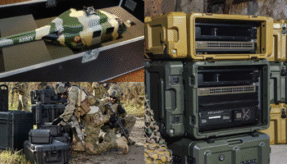
Standard containers are no longer suitable for this level of complexity. Modern systems require protection that is engineered precisely to their shape, weight, fragility and deployment needs. This includes accurate foam inserts to prevent shock and vibration, lightweight housings for rapid mobility, environmental sealing for field use and carefully organised internal layouts for cables, power modules and accessories.
With capabilities spanning flight cases, foam conversion, waterproof case integration, vacuum forming, rotational moulding and material fabrication, Trifibre produces fully tailored housings designed around exact programme specifications. As equipment becomes more advanced, this standard of protection is becoming essential.
Lifecycle value is driving procurement
Across the sector, organisations are taking a broader view of cost and performance. When equipment is damaged during transit or loses calibration due to impact, the expense goes far beyond repair work. It reduces availability, disrupts timelines and increases overall programme costs.
High-quality protective systems support better lifecycle performance. Durable flight cases, IP-rated housings and correctly engineered interiors help reduce avoidable damage, minimise downtime and maintain performance over longer periods. As budgets tighten, this focus on reliability and total value is shaping how procurement teams assess suppliers.
Supply chain resilience matters more than ever
The defence industry continues to prioritise resilience, flexibility and secure supply routes. Programmes increasingly require partners who can respond quickly, scale effectively and maintain strong quality control.
Trifibre’s UK-based manufacturing brings multiple disciplines together in one location. Flight cases, foam interiors, poly fabrication, wood and metal work, branding and rotational moulding all take place under the same roof in Leicester. This integrated structure reduces lead times, streamlines prototyping and lowers supply chain risk. For teams that need dependable production schedules and consistent quality, this offers a significant advantage.
Protection tailored to emerging defence needs
Modern defence programmes cover a broad range of equipment. Tactical communications systems, optics, surveillance tools, UAV components, test equipment and vehicle-mounted accessories all present different requirements for protection, handling and deployment.
Custom protection ensures each item receives the level of care and functionality it needs. Tailored housings help maintain structural integrity, support faster field deployment and simplify logistics across air, land and maritime operations. By working closely with customers, Trifibre designs solutions that align with mission needs, environmental challenges and technical requirements.
Supporting wider defence priorities
Sustainability and responsible manufacturing are becoming increasingly important across defence procurement. Trifibre supports these goals through responsible material selection, recycling practices and ISO certified processes. UK-based production also reduces the impact on transport and supports local supply stability.
Looking ahead
As defence organisations prepare for future challenges, the demands placed on protective systems will continue to increase. Equipment is becoming more sophisticated, operational environments are becoming more complex, and expectations around reliability and lifecycle value are rising.
Custom-engineered protection offers a practical and proven way to meet these pressures. It safeguards mission critical assets, reduces avoidable costs and strengthens overall operational resilience.
To explore how Trifibre supports the defence industry, visit:
Trifibre Defence Solutions ↗
For insights and updates on protective systems for defence applications, subscribe here:
Sign Up for Defence Insights ↗

Post written by: Vicky Maggiani
Vicky has worked in media for over 25 years and has a wealth of experience in editing and creating copy for a variety of sectors.
RELATED ARTICLES
January 21, 2026
Built for Mission Readiness: The Role of Agile Protection in Future Defence Operations
The future of defence isn’t static; it’s mobile, modular, and constantly evolving. From rapid-deployment missions to adaptive multi-domain operations, the
November 12, 2025
Precision Protection for the Defence Industry: Inside Trifibre’s Expertise
In defence, reliability isn’t optional. Equipment must perform, logistics must run smoothly, and every detail from transport to deployment must