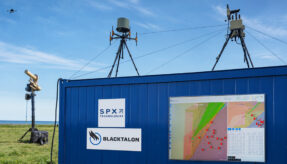




The UK is enhancing the protection of its vital satellite infrastructure through a new investment in advanced sensor technology designed to counter laser-based threats from adversaries.
This initiative, a collaboration between the UK Space Command (UKSC) and the UK Space Agency (UKSA), aims to safeguard satellites critical to national security, economic prosperity, and daily life. The development addresses the increasing threat of lasers being used to dazzle, blind, or disrupt communications of space assets.
The newly developed sensor technology will possess the capability to identify and characterise laser emissions, whether originating from space or the ground, and assess their potential threat to satellites. This information will be crucial for the military in defending UK and allied space systems. The importance of these assets cannot be overstated, as approximately one-fifth of the UK’s Gross Domestic Product (GDP) is reliant on satellite services. These services underpin essential functions such as financial transactions, weather forecasting, emergency services, and critical defence capabilities including intelligence, surveillance, reconnaissance, and secure military communications.
This project is supported by an initial funding allocation of approximately £500,000, provided through the UKSA’s Unlocking Space for Government programme. This programme is dedicated to leveraging space capabilities to improve public services and bolster national security, aligning with the Government’s broader ‘Plan for Change’ agenda. The investment follows the Strategic Defence Review, which identified defence in space as a fundamental element of modern warfare and the protection of national infrastructure, also recognising the defence sector’s role as a driver of economic growth.
Minister for Defence Readiness and Industry, Luke Pollard MP, emphasised the strategic significance of space as a contested domain and the indispensable role of satellites in both national security and economic well-being. He stated that protecting British space assets is paramount to safeguarding the nation on all fronts. Major General Paul Tedman, Commander of UK Space Command, highlighted that the Strategic Defence Review elevated space to a primary warfighting domain, underscoring its transformative impact on military operations and the escalating threats in this environment. He expressed satisfaction with the rapid investment in novel technology to accelerate the UK’s space defence programme.
Harshbir Sangha, Director of Missions and Capabilities at UKSA, added that this joint project represents a significant stride in developing the necessary tools to detect and respond to evolving space-based threats, ensuring the UK’s resilience in an increasingly complex space arena. The UK’s aerospace and defence sectors have demonstrated robust economic contribution, generating over £42 billion last year and employing 443,000 individuals, reinforcing the government’s commitment to defence as an engine for economic expansion.
If you would like to join our community and read more articles like this then please click here

Post written by: Vicky Maggiani
Vicky has worked in media for over 25 years and has a wealth of experience in editing and creating copy for a variety of sectors.
RELATED ARTICLES

August 11, 2026
Homeland - From Plan to Pipeline: Manchester Summit to Help Suppliers Turn the Defence Investment Plan into an Actionable Business Strategy
A dedicated session at the DPRTE UK National Defence Procurement and Supply Chain Summit will cut through the DIP’s headline

August 7, 2026
Air - Thales Secures NSPA Contract for Deployable Air Navigation System in Demonstration of NATO Procurement Route
Thales has been selected by the NATO Support and Procurement Agency to supply a Deployable Tactical Air Navigation system to