



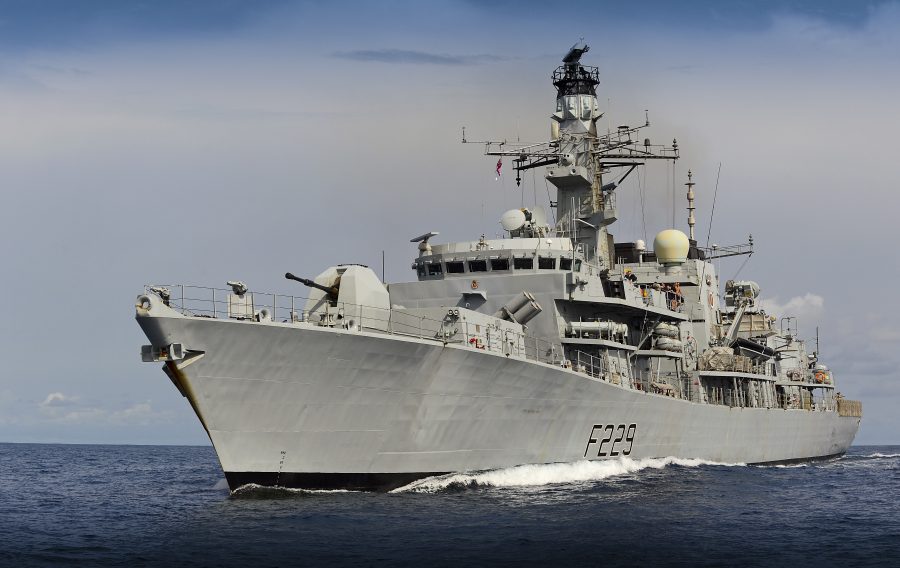
The Defence Science and Technology Laboratory (Dstl) has entered into a strategic partnership with Swansea University to utilise artificial intelligence (AI) and machine learning (ML) in the design of advanced, corrosion-resistant metals.
The project aims to address the significant operational challenges posed by extreme maritime environments, where saltwater, temperature fluctuations, and powerful currents frequently degrade metal components. For the UK naval supply chain, this development signals a transition toward high-durability materials that promise to reduce maintenance overheads and improve vessel availability across the fleet.
This research is integrated into the Defence Materials Centre of Excellence (DMEx), a £42.5 million research consortium led by the University of Manchester and the Henry Royce Institute, alongside 23 other partner organisations. The DMEx framework is specifically designed to accelerate the timeline between laboratory innovation and industrial application. By employing AI-driven methodologies, researchers can simulate and test complex material combinations at a pace significantly exceeding traditional metallurgical processes. This acceleration provides a unique window for UK-based manufacturers and sub-contractors to engage with high-specification alloys that are stronger, more reliable, and more economically efficient to sustain over long-term deployments.
A key component of this initiative is its focus on industrial engagement. Dstl has confirmed that it is actively collaborating with commercial partners to ensure that these novel materials can be integrated into existing and future naval production lines. For businesses seeking to enter or expand within the defence sector, the move toward digitally designed materials offers opportunities for specialisation in advanced manufacturing and high-fidelity testing. Furthermore, the project aligns with the goals of the UK’s Strategic Defence Review (SDR), which advocates for a step-change in sovereign capability through scientific excellence and digital transformation.
Beyond domestic requirements, the research has already attracted interest from international allies, suggesting potential for future cross-border industrial cooperation and the export of advanced materials technology. The application of AI and ML to material science represents a strategic investment in the long-term resilience of the Royal Navy. By creating a more durable material foundation for maritime assets, the Ministry of Defence aims to mitigate the significant costs associated with unplanned downtime and complex structural repairs. For the broader defence industrial base, the DMEx partnership provides a structured pathway to participate in the development of cutting-edge technologies that will define the next generation of UK naval systems.
If you would like to join our community and read more articles like this then please click here

Post written by: Vicky Maggiani
Vicky has worked in media for over 25 years and has a wealth of experience in editing and creating copy for a variety of sectors.
RELATED ARTICLES

March 26, 2026
Maritime - Serco wins contract to support British Army’s marine assets fleet
Serco, the international provider of critical government services, has been awarded a seven-year contract to provide in-service support for the British

March 26, 2026
Homeland - Positioning SMEs at the centre of defence procurement
The Ministry of Defence has unveiled a comprehensive strategic framework designed to integrate small and medium-sized enterprises (SMEs) more deeply