


Prime Minister Sir Keir Starmer, speaking at the Munich Security Conference on 14 February 2026, called for a strategic realignment of European security.
The Prime Minister advocated for a transition from an overdependence on the United States toward a model of interdependence and a more robust European pillar within NATO. This policy shift is expected to have significant implications for the UK defence supply chain, as it signals a deeper integration between British and European industrial bases to achieve greater sovereign deterrence and hard power.
A central tenet of this realignment is the reduction of industrial fragmentation across the continent. The Prime Minister highlighted that disjointed industrial planning and prolonged procurement cycles have historically led to capability gaps and redundant efforts. For UK businesses, which currently account for more than 25% of the European defence industrial base and support approximately 239,000 jobs, this proposed integration suggests a move toward more collaborative, multi-national procurement frameworks. The UK government intends to combine its leadership in artificial intelligence and high-technology sectors with European production capabilities to accelerate the output of defence materiel.
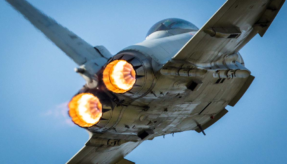
To support this objective, the UK defence budget is projected to reach record levels, with total spending allocated at £270 billion over the current parliament. This financial commitment is designed to underpin the largest boost to defence spending since the Cold War, as the government works toward a target of 2.6% of GDP by 2027. For prime contractors and sub-contractors, this sustained investment provides a stable environment for long-term planning, particularly within joint international programmes. The Prime Minister cited existing bilateral successes as templates for future cooperation, including the £10 billion naval frigate agreement with Norway and the £8 billion Typhoon contract with Turkey, alongside ongoing missile development projects with France, Germany, and Italy.
The government’s stance also indicates an increased willingness to participate in innovative, joint European investment solutions. This move is intended to ensure that rising defence budgets are utilised effectively through economies of scale and shared research and development. For the UK supply chain, this likely means an increase in cross-border partnerships and the adoption of more standardised technical requirements across NATO allies. By repositioning Europe as an integrated industrial entity, the government aims to strengthen sovereign capabilities while creating a more resilient and responsive defence manufacturing sector. This strategic pivot reflects a broader commitment to ensuring that British industrial leadership remains central to European security architectures in an increasingly volatile global environment.
If you would like to join our community and read more articles like this then please click here

Post written by: Vicky Maggiani
Vicky has worked in media for over 25 years and has a wealth of experience in editing and creating copy for a variety of sectors.
RELATED ARTICLES

March 31, 2026
Maritime - Boost to British jobs with £283.5m Maintenance Contracts
The Ministry of Defence has announced the award of contracts totalling £283.5 million to provide comprehensive support and maintenance for
March 31, 2026
Homeland - MOD Outlines Strategic Procurement Reform and SME Growth Targets at DPRTE 2026
At the opening of the DPRTE 2026 conference in Farnborough, Minister for Defence Readiness and Industry Luke Pollard MP detailed