


Electric heated wallpaper is being trialled in military housing in a bid to cut costs, prevent damp and mould and provide healthier homes for armed forces families.
VIVO Defence Services is carrying out data monitored testing at two homes in Fareham, Hampshire, over the next six months.
If successful, the technology, designed by British company NexGen Heating, could then be rolled out across further homes that VIVO looks after across southeast and southwest England.
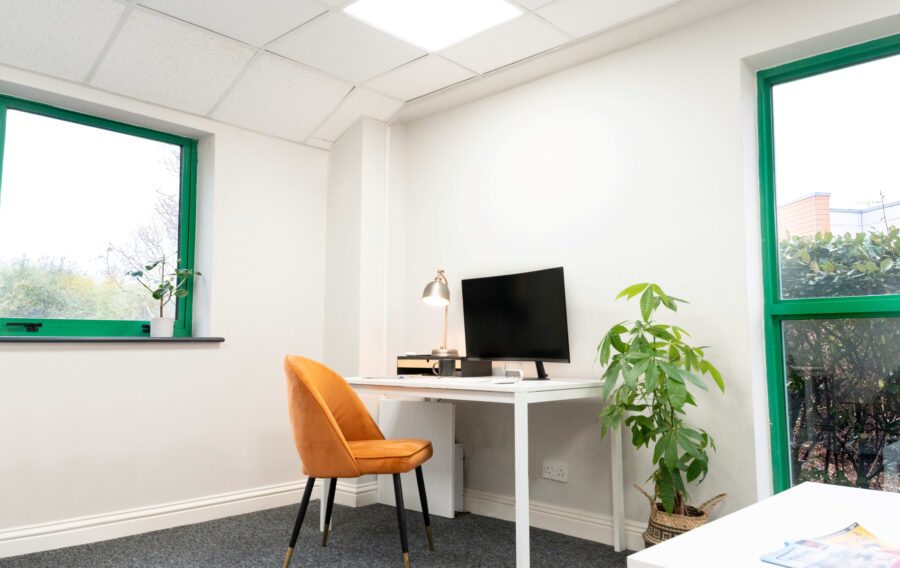
It uses electric graphene heated paper, which is essentially a toughened white wallpaper that can be attached to walls or ceilings, and in this trial is being attached to the ceilings of the two Fareham homes.
The graphene paper can be painted over, and uses an energy efficient, low voltage system that produces low temperature far infrared waves of directional, radiant heat, replicating the comfortable warmth of sunshine.
This allows it to warm up objects and people rapidly – in just a few minutes – rather than only gradually changing the air temperature in a room as conventional radiator and wall heater systems do, meaning families living in the homes will only need to heat the space they are in – helping cut heating bills.
And this is something that is really important due to rising energy costs over the past few years.
The paper also heats up the fabric of a building as the infrared from the system saturates the entire room, including the ceiling, walls, floors and furniture, building up a regenerative energy source that will keep a space warm for hours.
Previous tests carried out by NexGen Heating show this lowers the moisture saturation in walls that triggers’ damp and mould from 35% to 5% in just five days. It also kills mould spores.
Graphen paper heating is already proven to be very energy efficient, but the Fareham trials are going a stage further and aim to show how it can be fully utilised to reach the MOD’s Net Zero targets.
This involves pairing PV Solar, Battery Storage (20 kWh), NexGen’s Infrared Heating and a SunAmp Phase Change Battery for on demand hot water.
VIVO Defence Services provides maintenance services on behalf of the MOD’s Defence Infrastructure Organisation to more than 27,000 military homes in southeast and southwest England.
James Forrester, Operations Director at VIVO Defence Services, said: “We are constantly looking at innovative ways to improve the lived experience for military families living in the Service Family Accommodation we look after as they deserve a place they can live in happily and be proud to call their home.
“In our trials, we hope to be able to show how using graphene heating paper will help make the homes we look after warmer for the families that live in them, and a good deal cheaper to run – all while reducing carbon emissions.”
Ian Sanderson, CEO at NexGen Carbon Zero Ltd, said: “As a British manufacturer, we are proud to be working with VIVO to trial our technology in military family homes as we believe this could help make them more comfortable, lower their energy bills significantly, and critically make these homes healthier to live in – as well as help the environment.”

Post written by: Vicky Maggiani
Vicky has worked in media for over 25 years and has a wealth of experience in editing and creating copy for a variety of sectors.
RELATED ARTICLES

March 31, 2026
Maritime - Boost to British jobs with £283.5m Maintenance Contracts
The Ministry of Defence has announced the award of contracts totalling £283.5 million to provide comprehensive support and maintenance for

March 31, 2026
Homeland - MOD Outlines Strategic Procurement Reform and SME Growth Targets at DPRTE 2026
At the opening of the DPRTE 2026 conference in Farnborough, Minister for Defence Readiness and Industry Luke Pollard MP detailed