


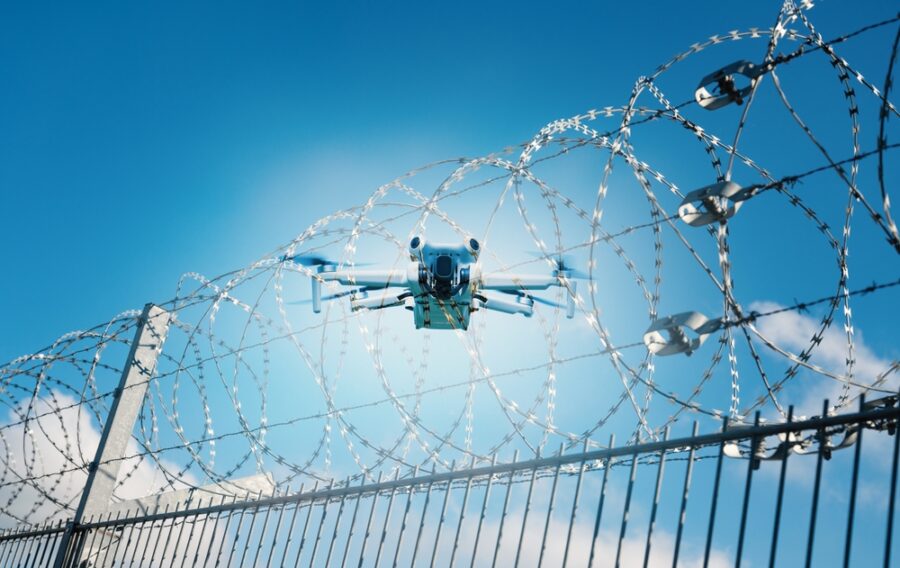
The UK government has introduced legislative measures within the Armed Forces Bill to grant military personnel enhanced powers to intercept and neutralise uncrewed systems operating near defence installations. This policy shift follows a significant escalation in security breaches, with official figures revealing that drone incidents near UK military sites more than doubled over the past year.
In 2025, there were 266 reported incidents involving uncrewed aerial vehicles, a sharp increase from the 126 cases recorded in 2024. These new powers are designed to streamline the response to such threats by allowing authorised personnel to take immediate action without the requirement for police intervention, which was previously a legal necessity for interference with drones under crime prevention statutes.
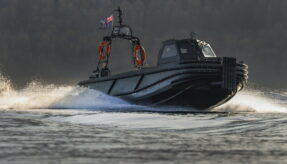
The scope of the proposed legislation extends beyond aerial threats, encompassing land-based and maritime drones, including those operating sub-surface. This multi-domain approach reflects the evolving nature of autonomous threats and creates a broader requirement for comprehensive security solutions across the defence estate. For businesses within the defence supply chain, this legislative change is accompanied by a substantial increase in government spending and a clear signal of long-term investment priorities. The Ministry of Defence has quadrupled its expenditure on Counter Uncrewed Aerial Systems since the current administration took office, with more than £200 million allocated in the current financial year alone. This funding is a core component of the Strategic Defence Review, which prioritises autonomy and counter-drone capabilities as critical deliverables for national security.
Opportunities for contractors and sub-contractors are emerging through various security enhancement programmes currently underway. Recent initiatives include the establishment of restricted airspace at 40 key defence sites and the deployment of advanced surveillance technologies. The government has committed £20 million to digital transformation aimed at modernising security systems, alongside investments in integrated threat monitoring and advanced CCTV. Notably, automated track-and-detect systems are now operational at multiple high-priority sites, providing 24/7 surveillance and enabling rapid response protocols.
The Armed Forces Bill was formally introduced in the House of Commons on 15 January 2026 and proceeded to its second reading on 26 January. As the bill moves through the legislative process, the emphasis on upgrading base security to the highest standards remains a priority for the Ministry of Defence. For the UK defence industry, these developments underscore a sustained demand for innovative sensor technologies, electronic warfare capabilities, and integrated security infrastructure. This legislative and financial framework provides a clear roadmap for suppliers to align their research and development efforts with the government’s requirement for resilient, multi-domain counter-drone solutions.
If you would like to join our community and read more articles like this then please click here

Post written by: Vicky Maggiani
Vicky has worked in media for over 25 years and has a wealth of experience in editing and creating copy for a variety of sectors.
RELATED ARTICLES

March 27, 2026
Land - British engineering firm Rowden hosts the British Army to explore frontline Techcraft
British engineering firm Rowden hosted a visit by British Army Sergeant Majors to explore how collaboration between engineers and soldiers helps shape

March 27, 2026
Air - DroneShield Expands C2 Interoperability
DroneShield, a global leader in counter-unmanned systems (C-UxS) solutions, today announced interoperability between DroneSentry-C2 command-and-control software, and optical sensing technologies from OpenWorks Engineering. The partnership strengthens DroneShield’s ability to unify multi-domain sensor inputs