



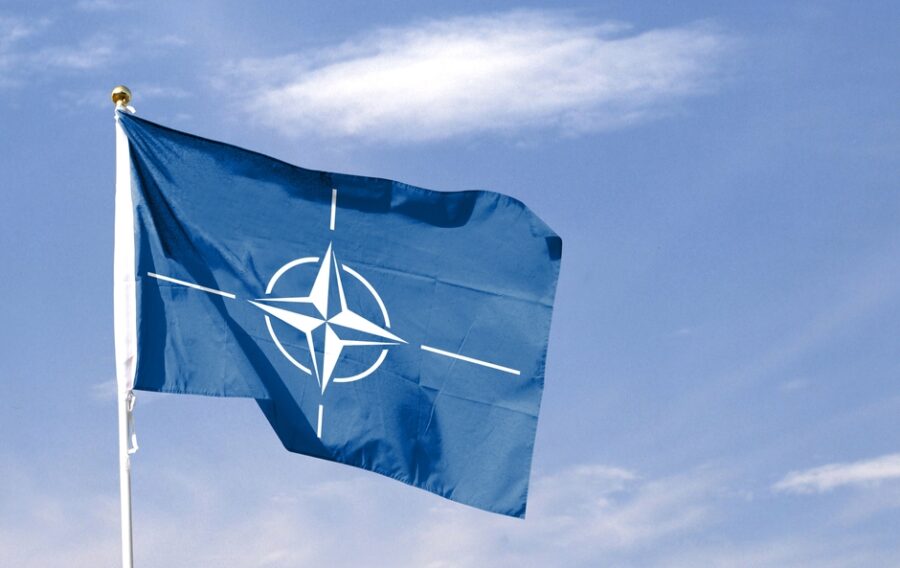
The appointment of Air Chief Marshal Sir John Stringer KCB CBE as NATO’s Deputy Supreme Allied Commander Europe (DSACEUR) signals a significant milestone in British military leadership and reinforces the United Kingdom’s “NATO-first” strategic policy.
Sir John will assume the position in March 2026, succeeding Admiral Sir Keith Blount KCB OBE. This appointment marks the first time an Royal Air Force officer has held this high-ranking post since 1984, and only the third time in the history of the Alliance. The DSACEUR role is traditionally reserved for a UK representative, reflecting the nation’s pivotal contribution to collective European defence and its status as a leading military power within NATO.
For businesses and professionals operating within the UK defence supply chain, this leadership transition underscores the government’s commitment to a “NATO-first” approach, as highlighted by Defence Secretary John Healey. This policy emphasis suggests that future procurement cycles and technological requirements will increasingly prioritise interoperability and collective defence standards. The DSACEUR serves as the second-in-command to the Supreme Allied Commander Europe and acts as the deputy head of Allied Command Operations. Sir John’s extensive background, including his current tenure as Deputy Commander of NATO’s Allied Air Command since August 2022 and previous roles as Chief of Staff at UK Joint Forces Command, indicates a focus on integrated multi-domain operations and strategic command.
The shift toward meeting global threats with “hard power” and robust alliances, as stated by the Ministry of Defence, provides a clear signal to the industry regarding the demand for advanced military capabilities. The UK’s leadership within NATO ensures that British industrial expertise remains at the forefront of Alliance requirements, particularly in areas such as air power, strategic command and control, and cross-border security infrastructure. Air Chief Marshal Sir Rich Knighton, Chief of the Defence Staff, noted that modern threats do not respect national boundaries, necessitating a highly integrated response with partner nations.
This appointment comes at a critical juncture for European and North Atlantic security, as the UK seeks to align its sovereign capabilities with NATO’s broader deterrent strategies. For prime contractors and sub-contractors, the continued British leadership in such vital roles ensures that the UK remains a primary influence on NATO technical standards and operational doctrines. As Sir John prepares to oversee the security of one billion citizens across NATO nations, the UK defence sector can expect a continued focus on high-readiness capabilities and the development of next-generation technologies that support the Alliance’s collective defence mandate. This transition reinforces the strategic importance of the UK’s North-West and other regional hubs in providing the technical and human resources necessary to maintain international security.

Post written by: Vicky Maggiani
Vicky has worked in media for over 25 years and has a wealth of experience in editing and creating copy for a variety of sectors.
RELATED ARTICLES

March 31, 2026
Maritime - Boost to British jobs with £283.5m Maintenance Contracts
The Ministry of Defence has announced the award of contracts totalling £283.5 million to provide comprehensive support and maintenance for
March 31, 2026
Homeland - MOD Outlines Strategic Procurement Reform and SME Growth Targets at DPRTE 2026
At the opening of the DPRTE 2026 conference in Farnborough, Minister for Defence Readiness and Industry Luke Pollard MP detailed