



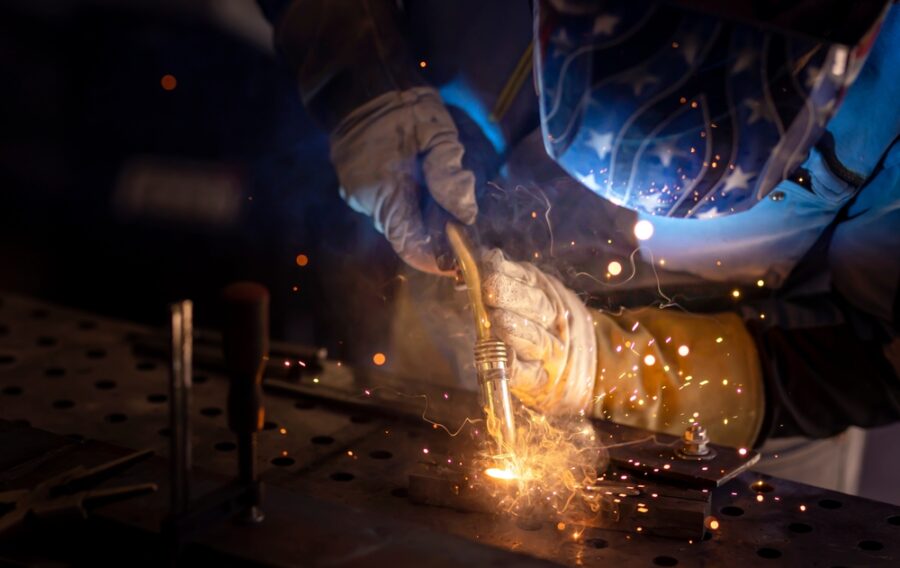
Scottish defence capabilities are set to receive a significant boost following the UK Government’s allocation of £2.5 million to establish a specialist Welding Skills Centre in Glasgow. The investment will underpin a pipeline of highly skilled jobs in Scotland while directly supporting the nuclear reactor programme that powers the Royal Navy’s submarine fleet.
The funding will be channelled through the Government’s Unity contract with Rolls Royce, an eight-year agreement valued at approximately £9 billion. Unity consolidates current and future Ministry of Defence requirements into a single portfolio, covering reactor design, build and maintenance as well as associated skills development programmes. The contract, which runs until December 2032, is designed to ensure continuity of supply chain expertise and provide sustained opportunities for industry engagement over the long term.
Rolls Royce Submarines will initially operate the Glasgow Welding Skills Centre in partnership with Malin Group and the University of Strathclyde, with potential for future expansion to additional partners. The facility will provide advanced training to welders, strengthening the domestic skills base required for the production and maintenance of nuclear propulsion systems. This focus on workforce development is aligned with the objectives set out in the Defence Industrial Strategy, which places skills and industrial resilience at the core of national defence planning.
For suppliers, the investment signals a growing demand for specialist training, engineering services, and support functions connected to the nuclear submarine programme. The new facility will not only generate direct employment but also create opportunities across the wider supply chain, from advanced materials and fabrication technologies to academic and research partnerships. Businesses able to provide complementary services or innovative technologies may find enhanced routes into future contracting opportunities through their alignment with Rolls Royce and associated partners.
This announcement builds on recent major contract activity in Scotland, including the £10 billion Type 26 Frigate agreement with Norway, under which BAE Systems is constructing the vessels on the Clyde. Taken together, these projects underscore the UK’s commitment to strengthening its defence industrial base and reinforcing Scotland’s role as a hub for high-value defence manufacturing and skills development.
The Welding Skills Centre is expected to play a critical role in sustaining the UK’s nuclear deterrent and securing long-term industrial capability. Companies across the defence sector should monitor engagement opportunities as the programme progresses, particularly those able to support advanced training, supply chain resilience, and the technological requirements of submarine reactor construction.
If you would like to join our community and read more articles like this then please click here

Post written by: Vicky Maggiani
Vicky has worked in media for over 25 years and has a wealth of experience in editing and creating copy for a variety of sectors.
RELATED ARTICLES

April 1, 2026
Homeland - £3.9m Solar Project Commences at Bassingbourn Barracks
The Defence Infrastructure Organisation (DIO) has commenced construction on a new £3.9 million solar array at Bassingbourn Barracks, marking a

April 1, 2026
Land - UK and US Defence Agencies Conduct Advanced AI Trials for Battlefield Medical Triage
The Defence Science and Technology Laboratory (Dstl) has entered a strategic collaboration with the US Defense Advanced Research Projects Agency