



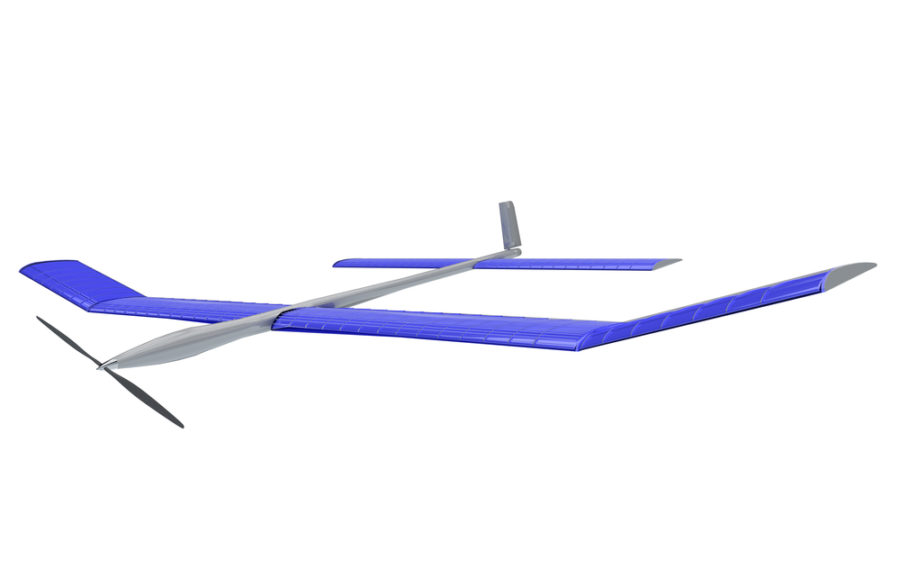
Following the maiden flight of the PHASA-35 unmanned aircraft, solar power is set to make big changes to how UAVs are produced.
PHASA-35 (Persistent High Altitude Solar Aircraft) is designed to stay airborne for up to a year, fuelled by solar power and flying at high altitudes. The UAV was developed through a collaboration between BAE Systems and Prismatic with sponsorship from DASA, the Royal Australian Air Force (RAAF), and the Australian Defence Science and Technology Group (DSTG).
The 35-metre wingspan, 150kg vehicle began its maiden voyage at the Woomera RAAF. The drone is intended to serve as a cheaper alternative to satellites, providing communications and surveillance services from the stratosphere where it could remain in the air for a year at a time, using solar power during the day and batteries at night. It is also intended for use in disaster relief efforts and environmental risks, with applications across military and civilian domains.
The UAV is capable of carrying a 15kg payload mass. It could provide 5G connection and other communication services to remote areas, acting as an alternative to both satellites and on-ground communication infrastructure. BAE Systems speculate that it could enter into use within a year, after further test flights scheduled for later in 2020 to determine its full capability. The aircraft is made of Carbon-Fibre-Composite (CFC) material, keeping it lightweight, and uses Gallium Arsenide (GaAs) solar cell panels.
The main benefit of using solar power in UAVs is the duration of flight times, along with lower carbon emissions, with some expected to be able to fly for a year or more. They also offer a much cheaper alternative to satellites, improving communications at a fraction of the expense and preventing further contribution to space debris which increases with new orbiting technology.
Solar drones present opportunities for assessing environmental damage and search and rescue following extreme weather events. extended flight times mean that they can reach further and chart remote and inaccessible areas. Data from eSherpa shows it is a growing market with most opportunities in the fields of connectivity and defence. North America represents the largest manufacturer, with the Asia Pacific becoming a more significant market. This growth is facilitated through advancements in battery technology, endurance, and materials. Problems arise through difficult weather conditions, increased regulations and UAV incidents.
The number of countries investing in solar technology has grown in recent years. Internet access is a big potential benefit of solar drones. Around 4billion people around the world still do not have internet access, solar drones could provide access to people within 30 miles. Improved access has the potential to increase development in rural areas.
Solar power presents a sustainable alternative to traditional aircraft fuel. Solar power can present a challenge, however, with long-duration flights experiencing different levels of sunlight. Drones can be used in place of traditional transport for delivery, monitoring energy infrastructure, conservation, and land management.
Solar drones would need to increase efficiency and availability before they become a regular method of delivery, but their ability to fly for an extended amount of time makes them ideal for monitoring. Solar panel use in drones could lead to improved power efficiency in other modes of transportation. Carbon neutral air travel as standard is a long way off, but ultra-thin and lightweight components of PHASA-35 could prove significant in the design of future aircraft.
Currently, it can manage a 15kg payload. Switzerland has been developing a small aircraft, the Solar Impulse. The craft is able to stay in the air for 36 hours and has made a number of manned test flights and extended flights. Advanced in materials means that aircraft can be made lighter, allowing for greater fuel efficiency as well as better scope for renewable energy. Solar drones are playing a part in environmental research including Aurora’s Odysseus UAV, designed for weather monitoring and collecting environmental information.
A number of private companies are investing in solar drones for their own use, including Facebook and Amazon. Solar drones can provide solutions for many problems that Amazon’s drone delivery plans face. Solar panels bypass the need for new infrastructure to charge drones and allow them to fly for long periods. They would also require less maintenance and be more able to meet market demands.
The need for these deliveries is expected to go up, solar drones offer the chance to meet demand while reducing pollution and traffic. QinetiQ and Airbus have been working on High Altitude Pseudo Satellites (HAPS) and created Zephyr, a UAV that has broken several records in demonstration flights. HAPS was created as an alternative to satellites. Zephyr has HD imaging capabilities and higher flexibility than traditional satellites and can create temporary communications networks and provide surveillance during emergencies. The Boeing SolarEagle is High Altitude Long Endurance (HALE) plane capable of staying airborne for up to five years.
Facebook acquired Ascenta and researched solar drones as part of its Connectivity Lab, aiming to use UAVs and satellites to provide internet across the world. The Facebook Aquila is designed to act as a relay station providing internet access to remote areas through high-bandwidth lasers, flying at high altitudes to provide services for large regions.
If you would like to join our community and read more articles like this then please click here.

Post written by: Vicky Maggiani
Vicky has worked in media for over 25 years and has a wealth of experience in editing and creating copy for a variety of sectors.
RELATED ARTICLES

March 18, 2026
Collaboration is the UK’s competitive edge
At this year’s Munich Security Conference, collaboration and innovation were recurring themes against a backdrop of European leaders united in

March 9, 2026
Homeland - Europe’s defence spending is booming. Female representation is falling.
European defence budgets reached $563 billion in 2025, part of a sustained surge that has seen the continent’s share of